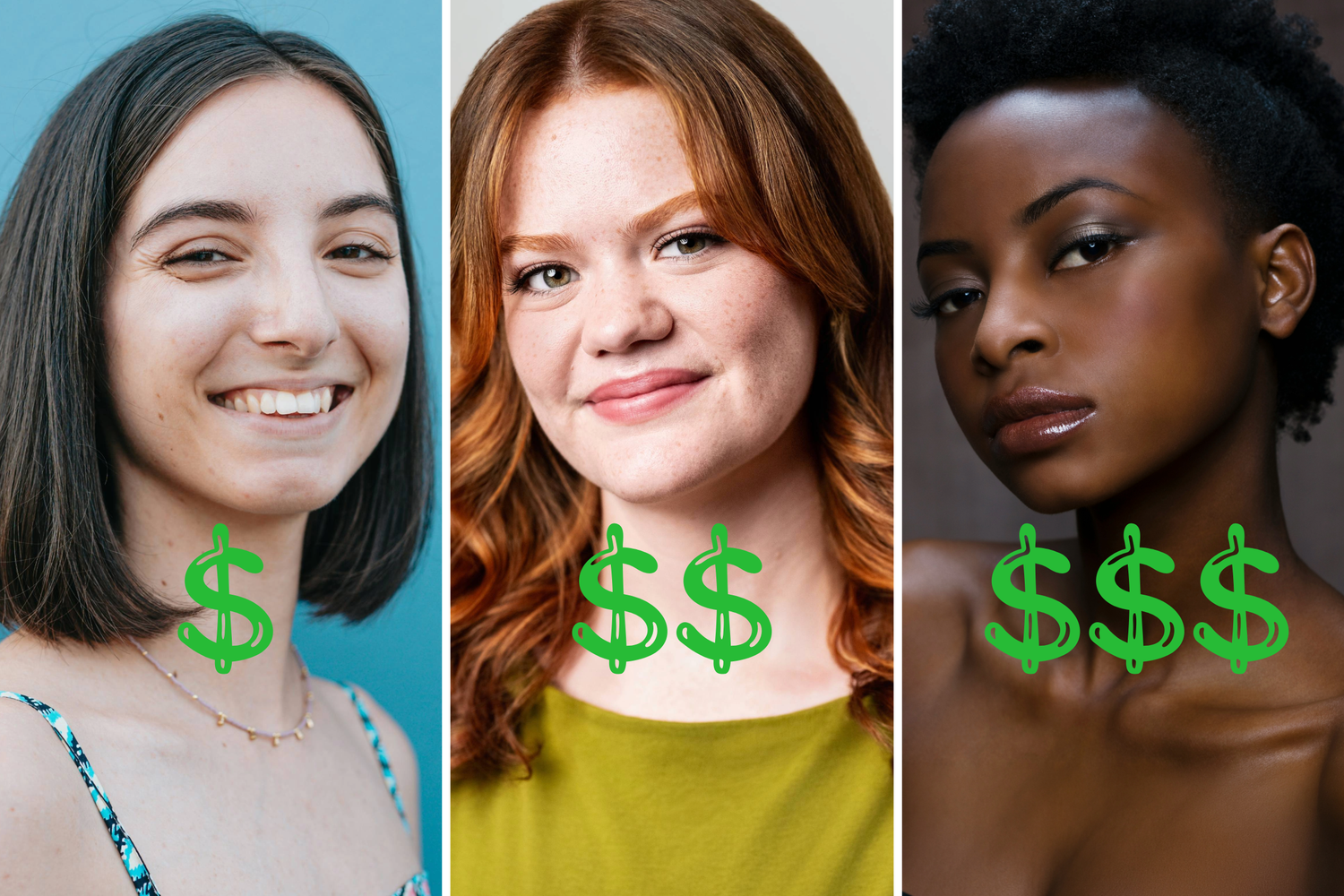
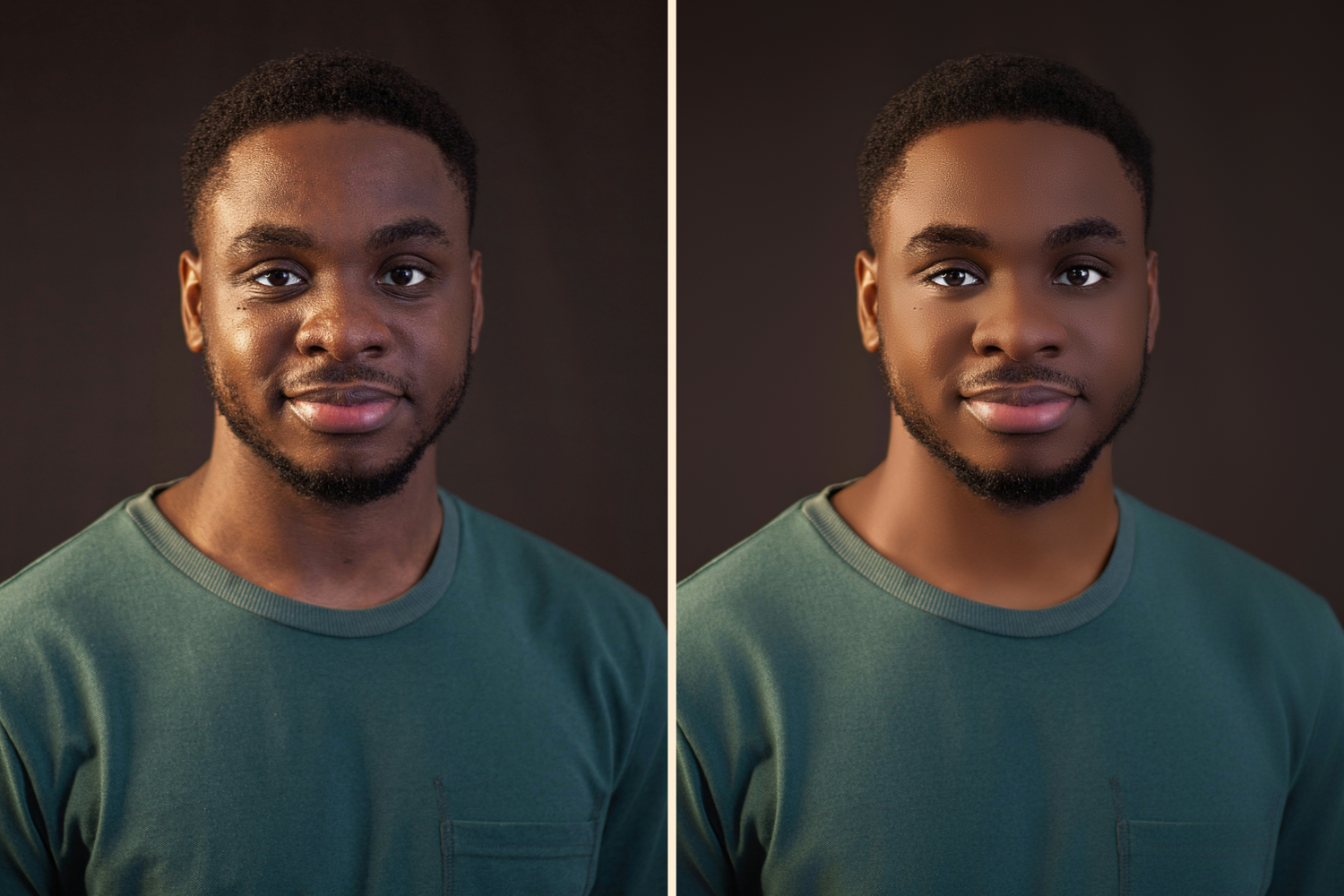
One of the most common concerns people have about professional headshots is whether they will still look like themselves once the final images are retouched.
That is a fair concern.
Headshot retouching should help you look polished, current and like the best version of yourself. It should not remove the personality, character or unique features that make you recognizable.
My general rule is simple: polished, not a new person.
Retouching can clean up temporary distractions and refine the image, but it should never feel like your face or body has been redesigned. When someone sees your headshot and then meets you in person, they should immediately recognize the same person.
No matter what industry you are in, your headshot should not catfish the people considering casting you, hiring you, working with you or trusting you with an opportunity. It needs to make a strong impression while still being an honest representation of the person who will walk into the room.
Every Photographer Retouches Differently, So What Is Best?
The goal of headshot retouching is to help you look like yourself on your best day. Your headshot should feel polished and professional while still honestly representing you.
Every photographer approaches retouching differently, which is why it is important to look closely at their work before booking.
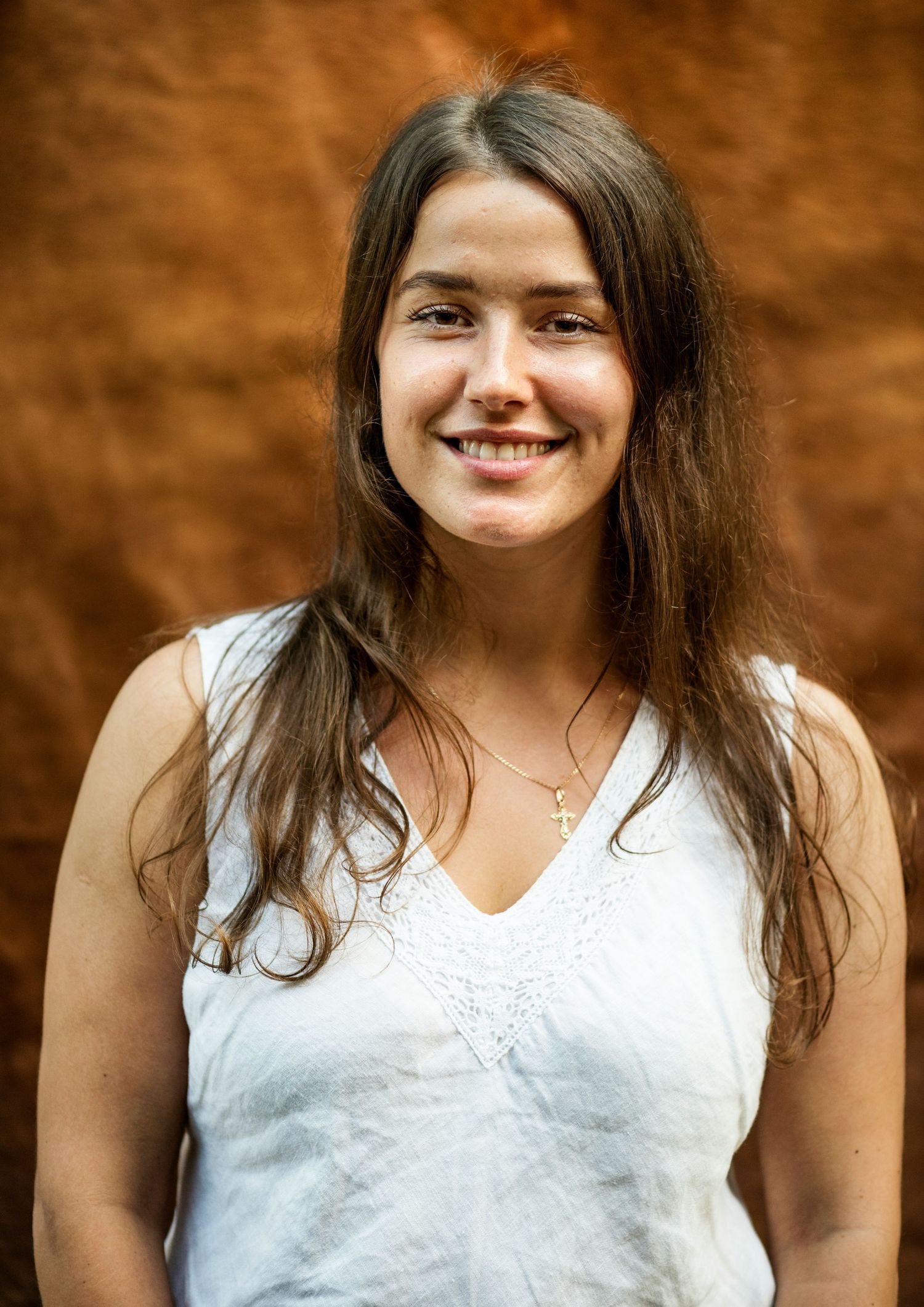
Some photographers use little to no retouching because they want a very organic result. However, there are almost always small distractions in a photograph that can pull attention away from the person. Stray hairs may make you look messy. Wrinkles or lint on clothing can become eye sores. Dark circles may be more pronounced because you didn't sleep well the night before, or a pimple may have appeared overnight.
Those details are temporary. They are not necessarily part of how you look every day, and removing them does not make the headshot dishonest. If a photographer’s editing style is too light, however, some of those distractions may remain in the final image.
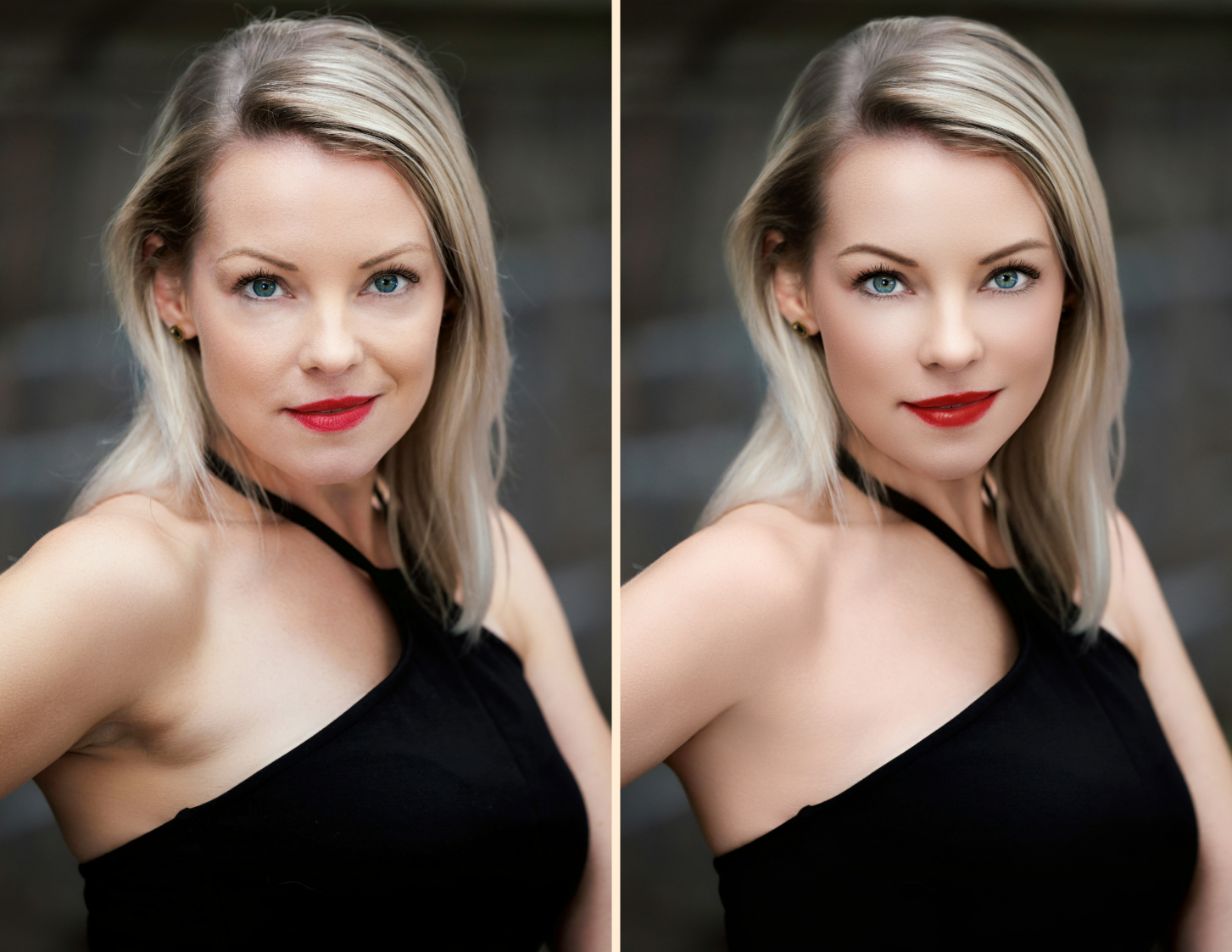
On the other end of the spectrum, some photographers create highly polished images with extremely smooth skin, sparkling eyes and extensive facial or body adjustments. Their goal may be flawlessness, and that style can produce beautiful photographs, but it becomes a red flag when the finished image no longer feels realistic. A helpful rule of thumb is this: if you could not reasonably recreate that appearance in real life, the retouching has gone too far.
So, what is best? A photographer who knows how to remove distractions, lightly enhance your natural features and give the image a polished finish without taking it to an unrealistic place.
What Should Headshot Retouching Include?
Every photographer includes something different in their retouching process, but the most common adjustments are:
- Balancing uneven skin tone
- Removing temporary blemishes
- Softening under-eye darkness
- Reducing excessive shine
- Making minor makeup corrections
- Cleaning up stray or flyaway hairs
- Minimizing distracting clothing wrinkles or lint
- Removing temporary distractions that would not normally be there
Think of retouching as cleanup rather than correction. You are not something that needs to be fixed. The purpose of editing is to remove distractions and elevate your expression and natural features without changing who you are.
What Should Not Be Changed in a Headshot?
Retouching has gone too far when it starts changing permanent or recognizable features. Editing should not:
- Reshape your face or jawline
- Change the size or shape of your eyes
- Narrow your nose
- Alter your body proportions
- Remove every line or pore
- Erase natural under-eye structure completely
- Change your hairline
- Whiten your eyes or teeth to an unnatural level
- Change your skin tone until it is no longer accurate
- Make you appear significantly younger
- Remove features that are part of how people recognize you
For a professional headshot, credibility matters. The photograph should present you in the best possible light, but it should not redesign you completely. If the final image looks like a filtered version of you, the editing has crossed the line.
Actor Headshots Should Not Catfish Casting
Casting directors use headshots to quickly understand who you are, your age range, the roles you may be right for and whether you fit the needs of a project. The actor who walks into the audition room or appears on a self-tape should match the actor in the headshot.
Casting should not be surprised by your age, facial structure, skin texture, hair or overall appearance.
That does not mean your actor headshot should be completely untouched, blemishes and all. It should show you in the best possible light while remaining an honest representation of who casting will meet. As Casting Networks explains in its guide to what makes a great actor headshot, the strongest images look like you on your best day, not an overly polished version who will not match the person entering the audition room.
An over-retouched actor headshot may attract attention initially, but it can work against you when casting realizes the photograph does not accurately represent you. It can create the impression that you are trying to catfish casting.
An actor headshot is not simply a beautiful portrait. It is a professional tool, and building trust is part of its job.
When choosing actor headshots in Los Angeles, look for a photographer who understands how headshots function within the acting industry and knows how to keep you polished, current and recognizable.
What About Retouching for Business Headshots?
Business headshots serve a different purpose, but the same basic editing standards apply.
A professional headshot may appear on LinkedIn, a company website, a speaker biography, a press release, marketing materials, an email signature or a professional directory.
Whether you are an executive, real estate agent, attorney, physician, entrepreneur, consultant, creative professional or job seeker, the image should make you look polished, credible and current.
It should also look like you.
Clients, colleagues, employers and professional contacts should be able to connect the person in the photograph with the person they meet in real life. LinkedIn’s own guidance on choosing a professional profile photo recommends using a current image that looks like you so people can recognize you in person.
Overly smooth skin, dramatic facial reshaping or visibly artificial editing can undermine the trust and approachability a professional headshot is meant to create.
A business headshot may have a slightly more polished visual finish than an actor needs for casting, but that does not mean your natural features should disappear.
The goal is still to present the best version of you without replacing you.
What Should You Do if Your Headshot Is Over-Retouched?
Sometimes you do your research, hire a photographer and still receive a final headshot that feels too heavily edited.
An over-retouched image can feel surprisingly personal. It may seem like parts of you were “corrected” that did not need correcting, and that can hurt. Still, retouching preferences are subjective, and the photographer may genuinely believe they delivered the strongest version of the image without intending any offense. Try to approach the conversation clearly rather than confrontationally.
Before reaching out, compare the final headshot with the original proof and identify exactly what feels overdone.
For example:
- Is your skin texture unrealistically smooth?
- Are natural lines, freckles or beauty marks missing?
- Do your eyes look unnatural?
- Have your face or body been reshaped?
- Do you look noticeably younger?
- Has your skin tone changed?
Then contact the photographer with specific feedback and ask whether revisions are included, whether a lighter edit is possible or whether they can restart from the original file.
There may be limits based on their policies or editing style, but it is reasonable to ask for a headshot that accurately represents you. Most photographers want their clients to feel confident in the final image and should be open to discussing reasonable changes.
The Bottom Line: Polished, Not a New Person
Headshot retouching should help you look like the best version of yourself without removing the qualities that make you real, recognizable and unique.
Temporary distractions can be cleaned up. Skin tone can be balanced. Shine can be reduced. Stray hairs, blemishes and clothing distractions can be refined but what makes you you should remain intact.
No matter your industry, the person viewing your headshot should recognize the same person when they meet you, hire you, cast you or work with you.
The goal is not perfection. The goal is a polished, honest photograph that represents you well and helps move your career forward.