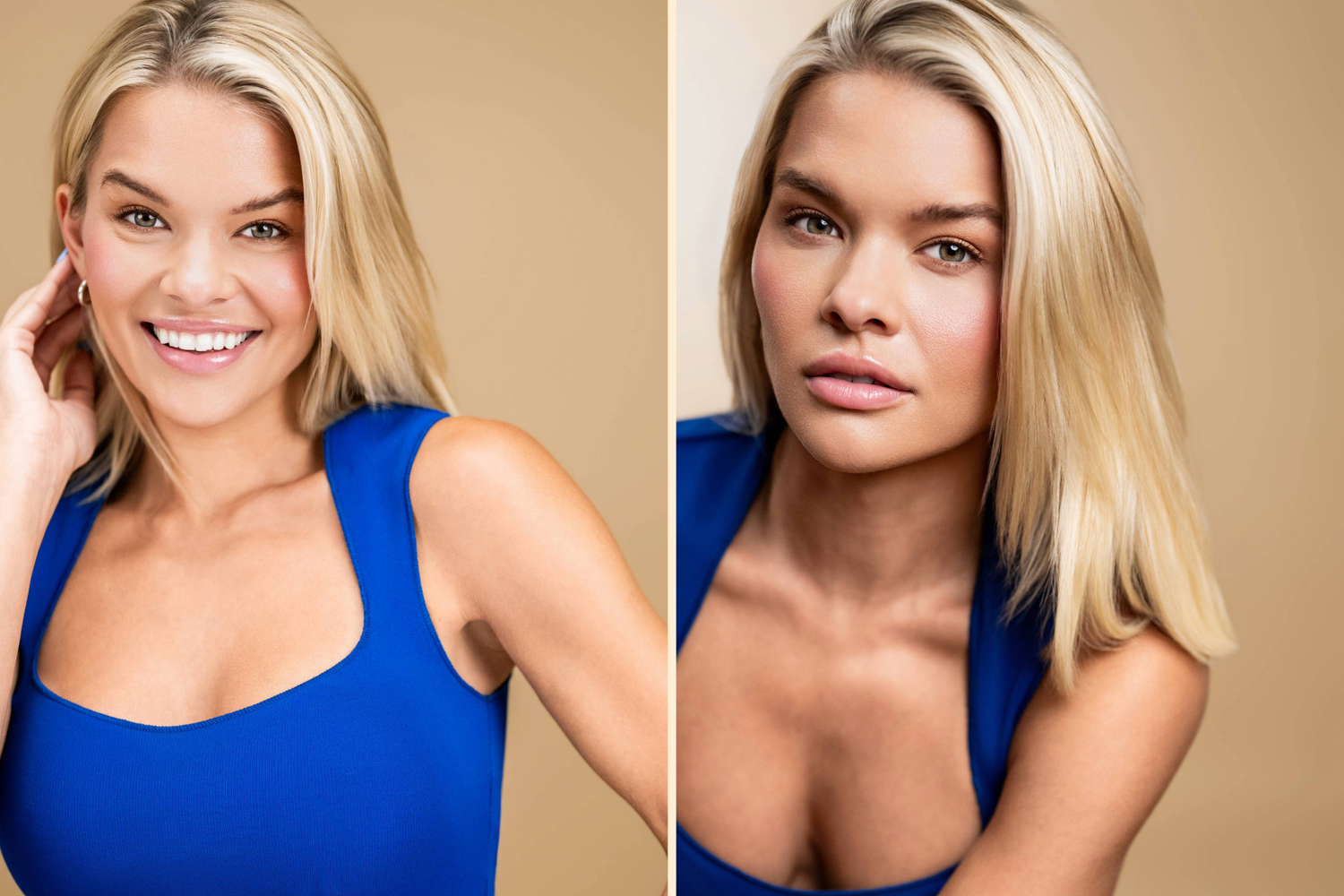
If you are booking new actor headshots, you have probably run into this question pretty quickly:
How many looks do I actually need?
It sounds simple, but it can get confusing fast. Do you keep it minimal and have one look represent you? Do you need two, one for commercial and one for theatrical? But your actor friend has a look for every job: commercial, theatrical, sitcom, procedural, a darker look, a friendlier look. Do you need two headshots or twenty?!
Don’t panic. There is a right answer to this, but you’ll need to ask yourself a few important questions first.
So before deciding whether you need two looks, three looks, four looks, or more, let’s start with your goals.
Start with Your Age Range and Casting Goals
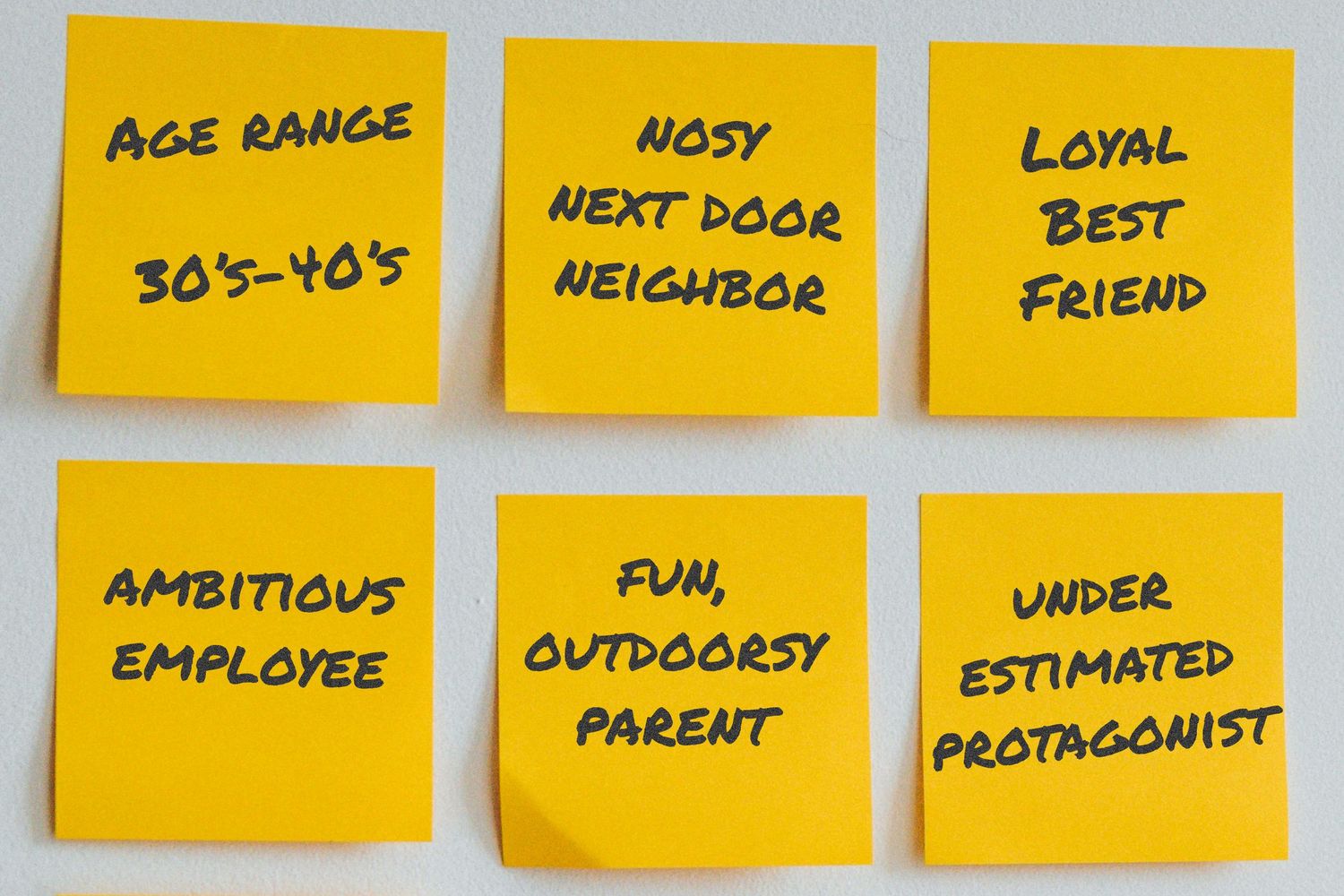
Before deciding how many looks to book, you need to understand your age range and your casting goals.
Are you mainly pursuing commercial work? Film and television? Both?
A 22-year-old actor going out for college students, interns, and young professionals needs a different set of headshots than a 45-year-old actor going out for detectives, parents, doctors, lawyers, or corporate executives.
A primarily commercial actor usually needs brighter, warmer, more approachable images. An actor focused on film and television usually needs more grounded, emotional, or character-driven headshots. Many LA actors need both.
That is why identifying your true acting age range and being realistic about what you would actually be cast in should happen before you book headshots. Once you understand that, it becomes much clearer how many looks you need and what each look should be doing.
Need some pointers? Check out this informative article from Backstage: 4 Ways to Nail Down Your Type.
What Counts as a Real Headshot Look?
A headshot look is not simply a different shirt. If you are thinking of your headshot looks only in terms of changing tops, you are not approaching your headshots strategically.
A complete headshot look is built around a specific type from your list of casting types, in the correct age range. Wardrobe, expression, energy, lighting, framing, and the way the image is shot should all support that type.
Then your next headshot look should do the same thing for a different type. The wardrobe changes, yes, but so does the expression, the energy, the styling, and the way the photo is approached.
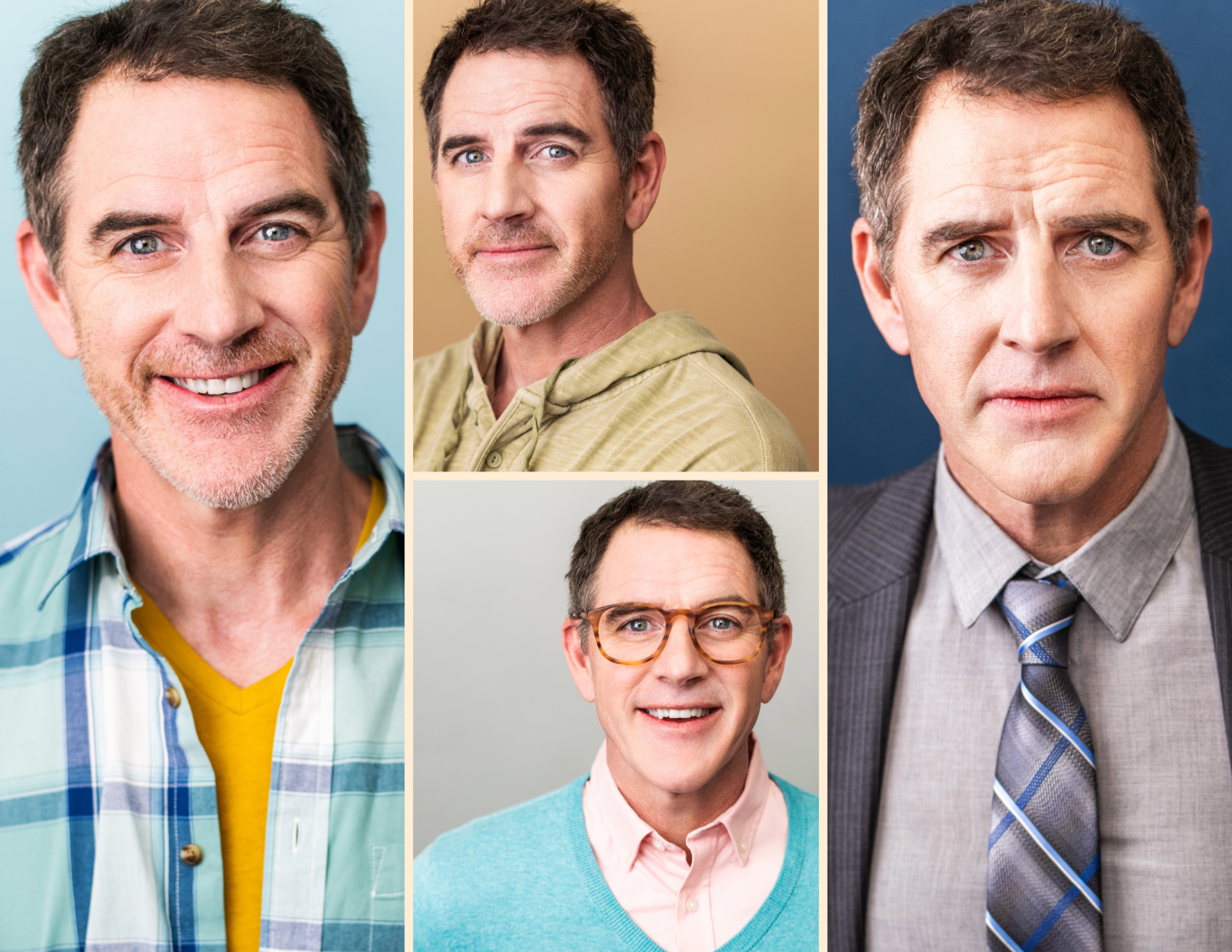
For example, these could be three different actor headshot looks for a mid-30s male:
- Commercial look: Funny, relatable, and maybe a little overwhelmed dad type. Think Home Depot, Subaru, Amazon.
- Theatrical look: Grounded, down-to-earth protagonist. Blue-collar, humble hometown type. Reliable and quietly strong. Think Coach Taylor from "Friday Night Lights".
- Theatrical look: Grizzled, mysterious antagonist. Anti-structure, guarded, and plays by their own rules. Think Boyd Crowder from "Justified".
The goal is to create a focused set of actor headshots that reflects your actual casting range. Just changing your shirt does not accomplish that. Your looks should be fully intentional.
If you need more help figuring out what to wear for your headshots, I break it down in this blog post: What to Wear for Headshots: The Ultimate Actor’s Wardrobe Strategy Guide.
One Look is Not Enough
One look is simply not enough for an actor in Los Angeles.
It does not give you room for commercial and theatrical submissions. It does not give you different options within your age range, especially because many actors float between ages. It does not help you adjust for different roles, tones, or breakdowns. And it puts too much pressure on one image to represent your entire casting identity.
Some actors try to solve this by making their headshot as basic as possible so they can use it for every type of submission. That is not strategy. That is watering yourself down.
A generic headshot does not make you more versatile. It makes you less specific. It does not give casting a clear reason to click, remember you, or bring you in. If your headshot is trying to work for everything, it usually is not strong enough for anything.
A strong actor headshot should be clear, specific, and useful. One image cannot do the full job.
If you limit your looks, you limit your submission options.
Two Looks is the Bare Minimum
Two looks is the practical minimum for most actors, but it is still limited.
If you are doing both commercial and theatrical work, two looks usually means one commercial headshot and one theatrical headshot. That is a fine starting point, but it still isn't enough. You technically have one image for each major lane, which does not leave much room for different submissions within those lanes.
Your commercial headshot might be warm and friendly, but what if you also go out for a more polished, professional type?
Your theatrical headshot might be grounded and serious, but what if you also submit for softer, more vulnerable love interest types?
That is why two looks can get you started, but it does not give you a very deep bench. It is the minimum, not the sweet spot for most LA actors.
Three to Four Looks is the Sweet Spot
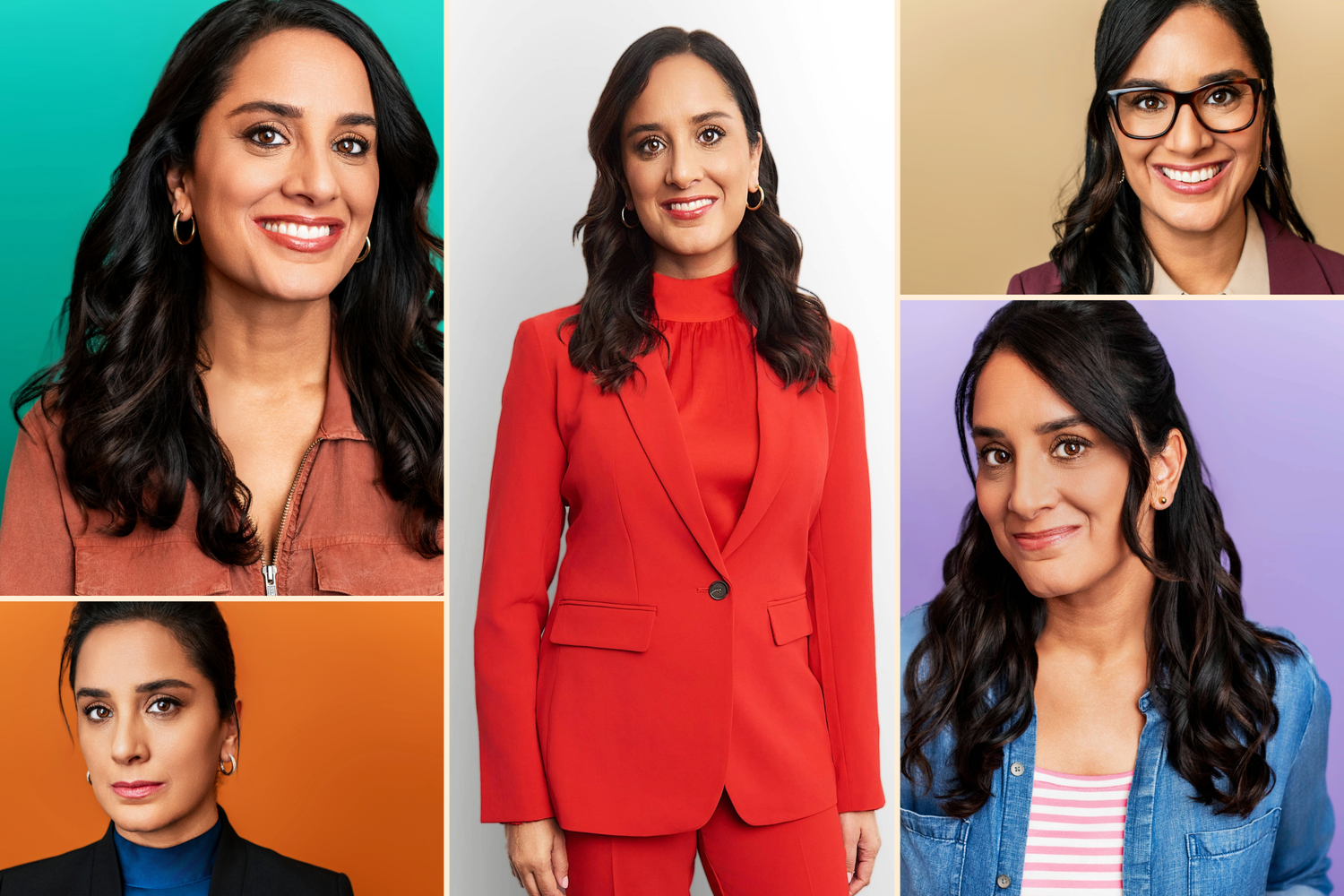
For most LA actors, three to four looks is where the session becomes much more useful.
This gives you enough variety to cover your main casting lanes without overwhelming your materials. It also gives you more flexibility when submitting for different roles. You are not stuck using the same commercial image for every commercial breakdown or the same theatrical image for every film and television opportunity.
Depending on your goals, a three-look session can be broken down a few different ways:
- 1 commercial and 2 theatrical looks.
- 2 commercial looks and 1 theatrical look.
- 3 commercial looks, if you are focused mainly on commercial submissions.
- 3 theatrical looks, if you are focused mainly on film and television roles.
A four-look session gives you even more flexibility. You can split it down the middle with 2 commercial looks and 2 theatrical looks, or you can customize all four looks around the specific types you go out for most.
The key is that each look should have a purpose. If all three or four images feel like they are saying the same thing, then you do not have three to four useful looks. You have three to four versions of one idea.
But when each look is planned around your age range, type, and casting goals, three to four gives you a strong, flexible set of actor headshots.
Five to Six is for the Wide-Range Character Actors
Five to six looks can make sense, but only for certain actors.
This is usually for wide-range character actors who truly go out for very different types of roles and need enough headshots to support that range. If you are submitting for commercial work, theatrical work, comedy, drama, authority figures, blue-collar types, offbeat characters, villains, parents, professionals, or very specific niche roles, then a larger session might be useful.
But be careful going beyond three to four looks unless your agent, manager, or career strategy gives you a specific reason.
More looks only help when each one has a clear job. If you are adding looks because you know exactly what casting lane is missing from your current materials, great. If you are adding looks because you are nervous, uncertain, or trying to cover everything, that is where it starts to work against you.
Five to six looks should not feel like a random collection of “maybe this will work” options. It should feel like a strategic expansion of a clear actor headshot set.
For example, a five or six look session might make sense if you need:
- A bright, everyday, relatable commercial look.
- A trustworthy professional commercial look.
- A grounded theatrical look.
- A softer, love interest theatrical look.
- A comedic or offbeat best friend look.
- A darker, more intense character look.
That is a useful range because each look has a different purpose. But if the looks start overlapping, the extra images are not helping you. They are just adding noise.
So yes, five to six looks can be great for the right actor. But it should be intentional, specific, and guided by the roles you actually go out for.
When Too Many Looks Backfires
There is such a thing as too many headshots.
I have seen actor portfolios with 20-plus images, and instead of making the actor look versatile, it often has the opposite effect. It can make it seem like they do not know what they go out for. The set starts to feel like they are trying to make something stick instead of being clear and honest about their age range, type, and strongest casting lanes.
More headshots do not automatically mean more opportunity.
At a certain point, too many images can create confusion. Casting should not have to sort through a giant gallery to understand you. Your headshots should make the answer obvious.
A focused set says: this is my age range, this is my type, this is where I fit.
An unfocused set says: maybe this, maybe that, maybe anything?
That is not the message you want to send.
The goal is not to create the most headshots possible. The goal is to create the most useful ones.
Final Thoughts
Your actor headshots should make casting feel like they understand you quickly.
That does not happen by having one overly generic image. It also does not happen by uploading twenty different photos and hoping one of them sticks. The strongest headshot sets are clear, intentional, and built around your real age range, your actual casting type, and the roles you are realistically pursuing.
For most LA actors, three to four looks gives you the best balance of range and clarity. Two looks can get you started, but it is still limited. Five to six can make sense for wide-range character actors, but only when every look has a specific reason to exist.
The goal is not to show casting every possible version of you. The goal is to give them the right version of you for the right role, fast.
If you need actor headshots in Los Angeles that feel specific, strategic, and actually useful for casting, book your session with Nice Headshots.