If you’ve found yourself Googling “kids headshots Los Angeles” or “does my child need acting headshots?”—you’re not alone.
I get messages from parents all the time who are stepping into this new world and trying to figure it out for the first time—and it can feel like a lot.
So let’s break it down in a way that actually makes sense, and by the end, you’ll hopefully feel a little more prepared.
Do kids actually need headshots?
If your child is interested in acting or modeling—yes, they will need headshots.
Headshots are essentially your child’s introduction to casting directors. Before anyone meets them, before they hear them speak, this photo is what gets them in the room. So for young actors and models, that first impression really matters.
Industry resources like Backstage list headshots as one of the very first steps in getting your child started.
Casting isn’t just about talent—it’s about type, personality, and how a child comes across on camera. A strong headshot communicates all of that instantly.
What makes a good child actor headshot?
This is where things tend to get overcomplicated online—but it’s actually pretty simple.
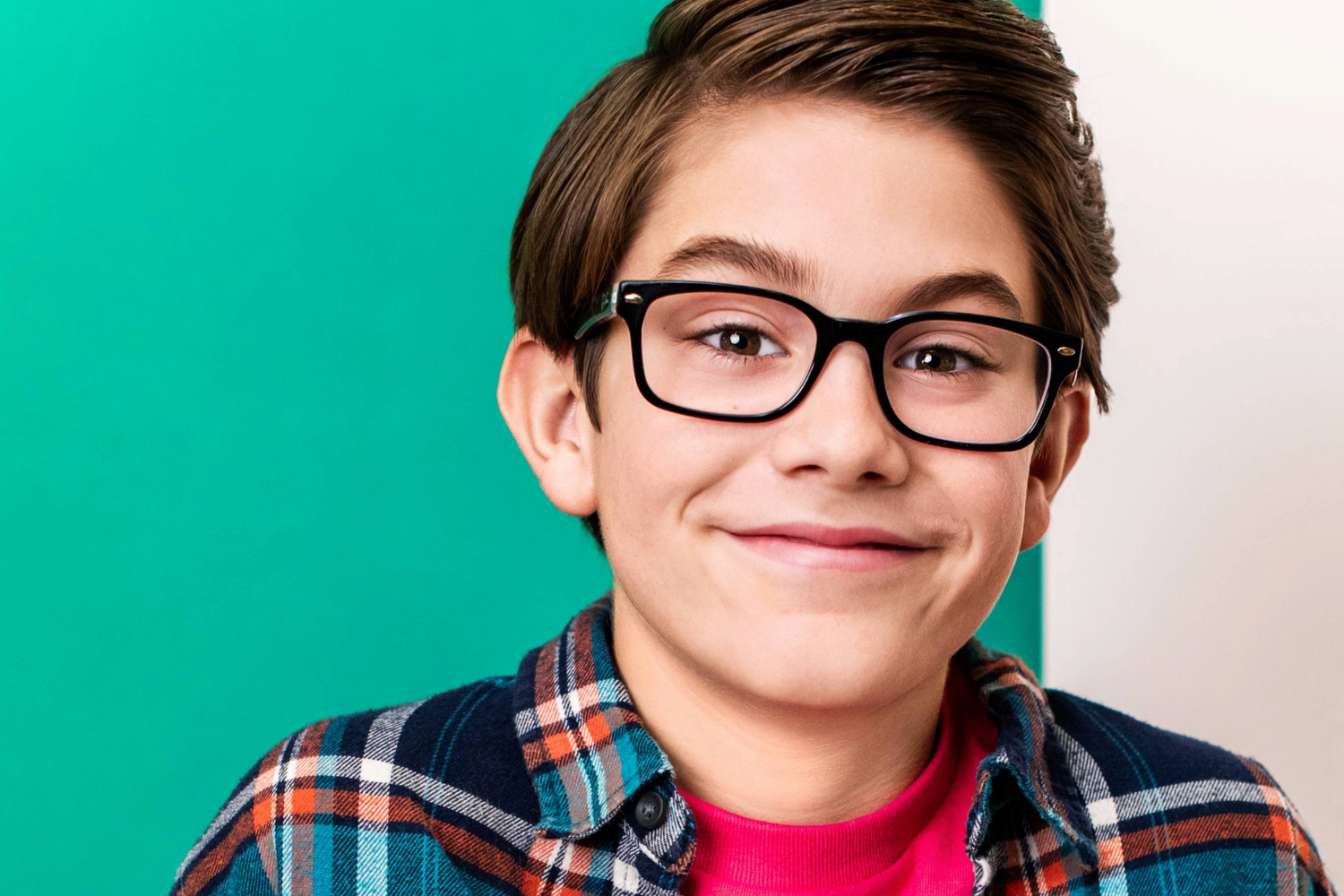
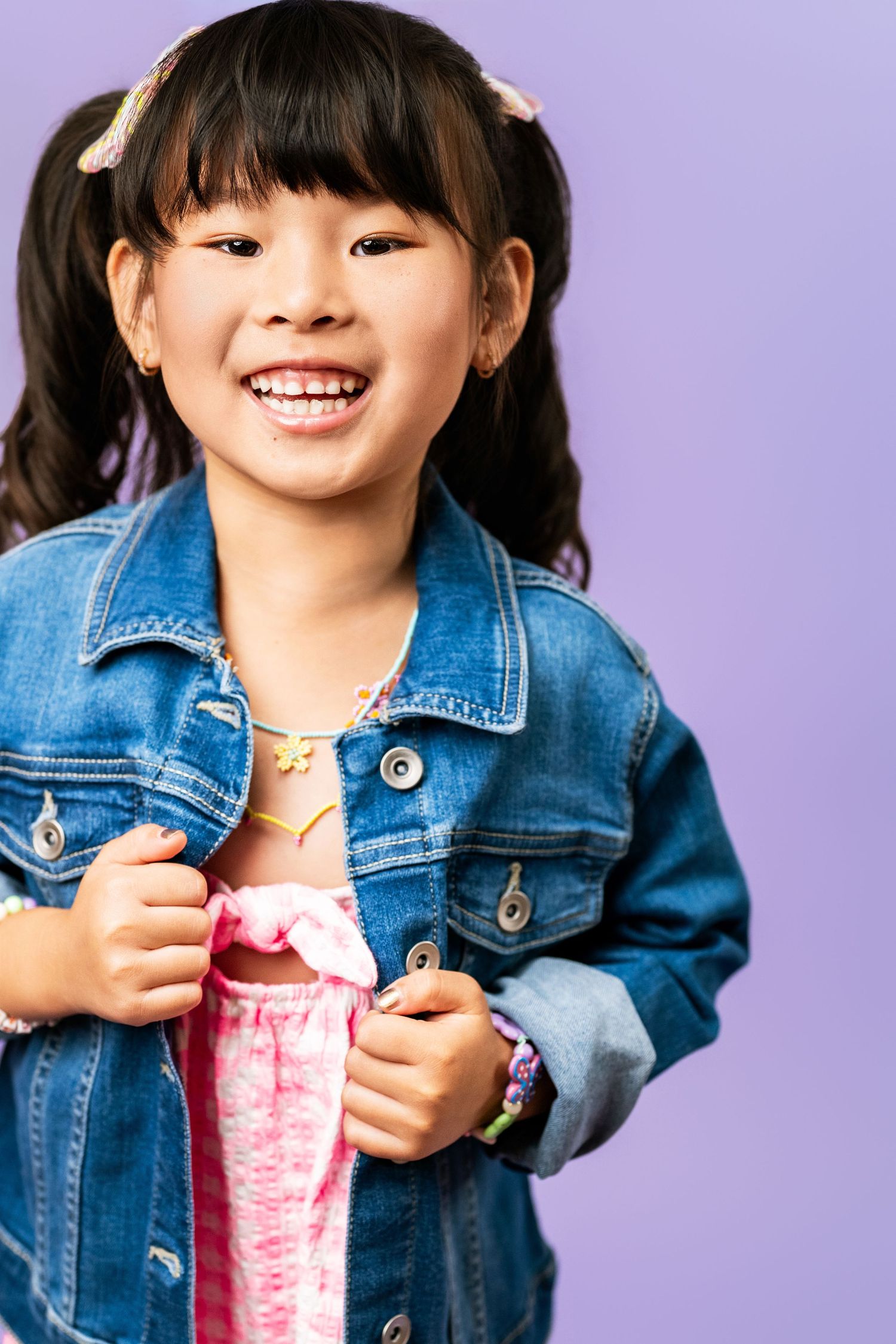
A great kids headshot should feel:
- Natural – hair and makeup (if any) should reflect how they really look
- Expressive – you should be able to see that they can emote and connect
- Age-appropriate – wardrobe and styling should reflect their age, never aging them up
- Clear and current – their headshots should represent them accurately and be up-to-date
The biggest mistake I see? Trying to make kids look older or “glamorous.”
Casting directors aren’t looking for perfection—they’re looking for authenticity.
How is a kids headshot session different?
Photographing kids is very different from photographing adults.
With adults, you can give direction, share an idea, or ask them to channel a specific character—and because of their life experience, they’re often able to “hit a look” on command.
With kids, that kind of direction is too inward. Kids are much more connected to what’s happening right in front of them.
So the goal isn’t to have them perform—it’s to create an environment where they feel comfortable enough to be themselves.
That might look like:
- Letting them move around instead of standing still
- Talking to them about things they actually enjoy
- Giving simple, playful direction instead of technical posing
When kids feel safe and relaxed, their personality comes through—and that’s what makes the image work.
What should kids wear for headshots?
This is one of the most common questions parents ask.
My #1 advice—before you even start picking out clothes—is to understand the different “types” your child can play.
Are they the funny sidekick? The popular kid? The artsy, quirky best friend?
Identifying these types helps guide wardrobe choices. Instead of picking items randomly, you now have a clear direction. When you’re putting together headshot looks, you want to be dressing specifically for those types.
You don’t need a full wardrobe overhaul—just thoughtful, intentional choices.
A few tips:
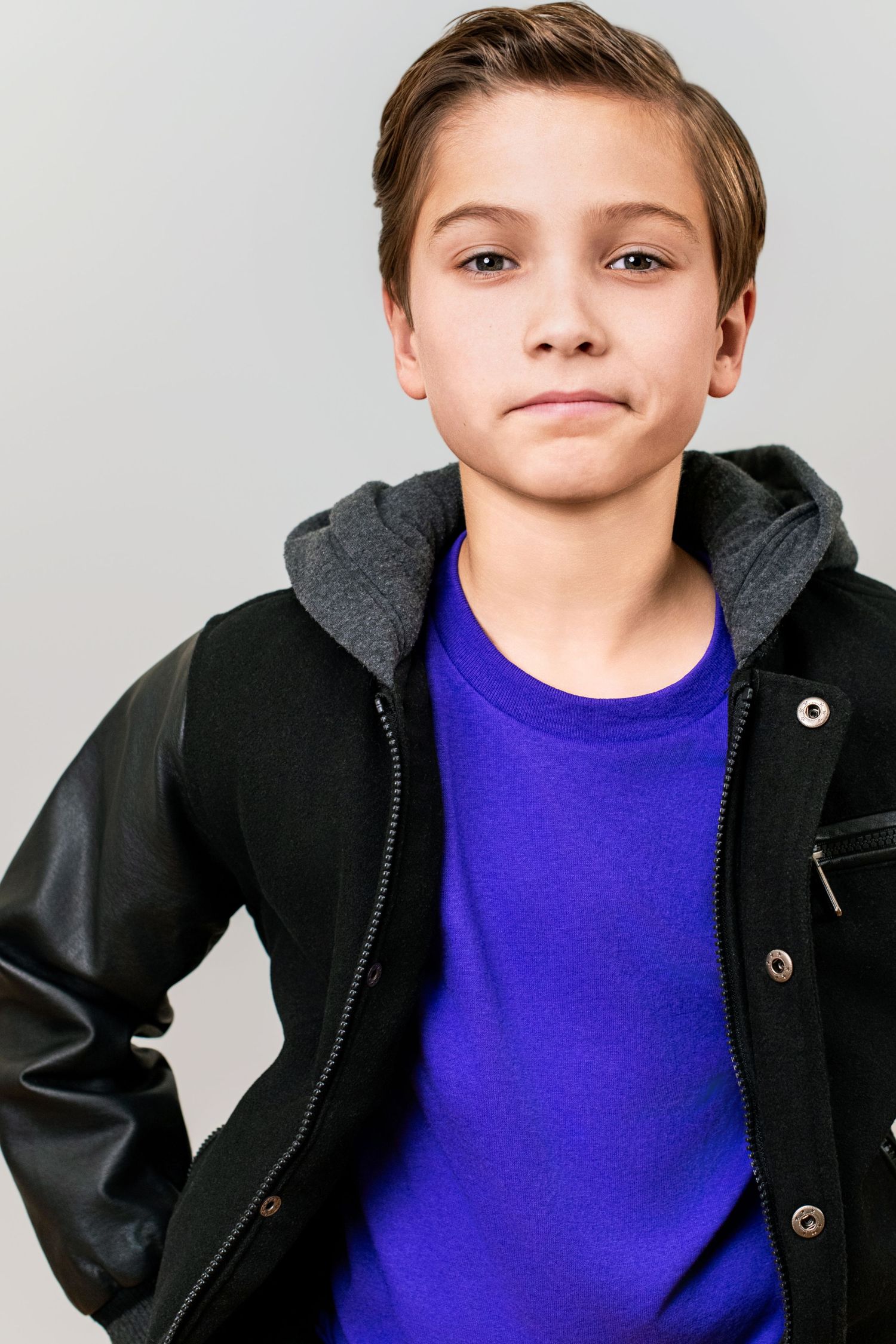
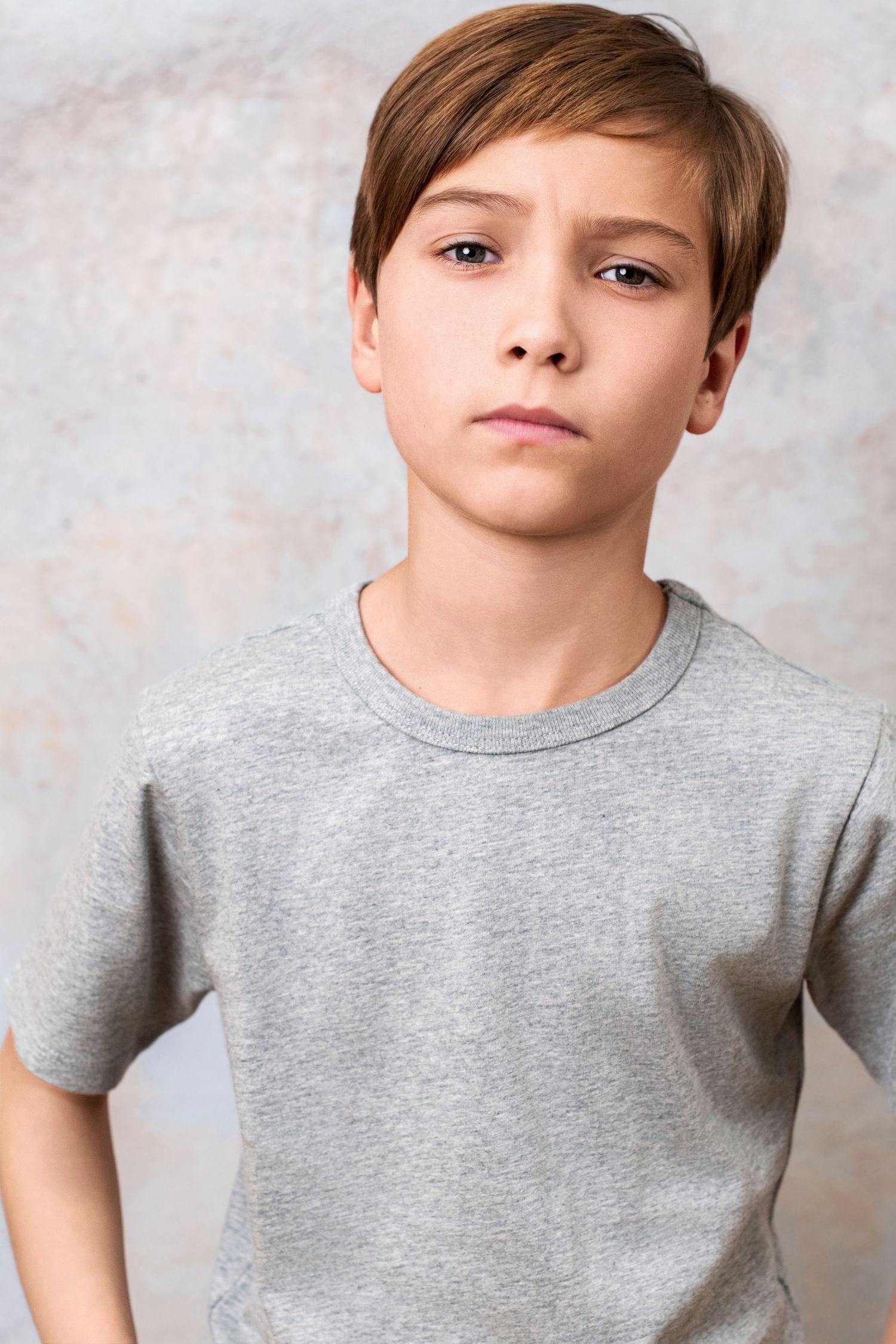
- Use color strategically – for upbeat, commercial types, brighter colors tend to work best
- Keep it grounded for theatrical looks – for more complex or emotional characters, stick to earthy tones and neutrals—nothing overly “happy”
How often should kids update their headshots?
As painful as it can be for both your heart and your wallet—kids change quickly. You’re often looking at a slightly different kid from the start of a school year to the end of it.
A good rule of thumb:
- Check in with their headshots at least every 12 months
- Update them anytime there’s a noticeable change (haircut, growth spurt, missing teeth, etc.)
If your child walks into an audition and looks different from their photo, it can create confusion—or even worse, distrust.
Can I DIY My Child’s Headshots?
Short answer- no. Every actor, no matter their age, should be representing themselves with a professional headshot.
You might think “I have a good camera, I can probably take these myself". And while that might seem like a simple solution, headshots aren’t just about taking a nice photo—they’re about understanding what the industry is looking for.
Professional children’s acting headshots are designed specifically for casting. That means:
- Lighting that aligns with industry expectations
- Direction that brings out real personality and expression
- An understanding of what casting directors are actually looking for
If your child is serious about pursuing acting or modeling, professional headshots make a noticeable difference in how they’re perceived. And the truth is—people in the industry can always tell the difference between DIY headshots and professional ones, and it matters.
What if my child is shy?
This comes up all the time—and it’s completely normal.
Even kids who are big hams at home or with their friends can come in a little shy at first. Photo shoots can feel intimidating—new people, a new space, big lights—it takes a minute to warm up.
A good headshot session isn’t about forcing energy—it’s about meeting your child where they are and building trust from there.
Some of my favorite images have come from quieter kids, once they realize they’re in a safe space and there’s no pressure to “get it right.”
And if it helps to know—working with kids isn’t new for me. Before focusing on headshots, I spent 13 years as a wedding and family photographer, so making kids feel comfortable and safe is something I’ve been doing for a long time.
👉 You can read more about my background here.
What’s the parent’s role during the session?
This part matters more than most people realize.
It’s completely natural to want to help—especially when you want to bring out your kid's natural smile that you know and love. But one of the biggest things I’ve learned over the years is that kids aren’t as receptive when a parent starts giving direction during the shoot. And you better believe—I’ve seen the eye rolls from the tweens!
During the session, your role is to stay close and supportive, while giving space for your child and the photographer to build their own rhythm and trust.
That might look like:
- Letting the photographer give direction. They’ve done this before—let them lead
- Holding back on corrections or “say cheese” moments
- Offering encouragement without guiding every move
Kids tend to open up more when they feel like they’re not being watched too closely or trying to “get it right” for their parent.
And the best photos usually happen in that space—when they relax, feel safe, and just get to be themselves.
Final thoughts
If you’re here, you’re already doing the right thing—researching, asking questions, and trying to support your child in something new.
Headshots don’t have to be overwhelming. They’re simply a tool to help your child be seen—and hopefully get booked.
If you’re exploring kids headshots in Los Angeles and want expressive, stand-out images in a supportive environment, you can learn more about my sessions 👉here.