A great actor headshot is not just a good photo
It’s important to understand what makes a great actor headshot before you even step in front of the camera.
The best actor headshots are not about looking the coolest, the sleekest, or the most attractive. Of course, you want to look good and walk away with photos you feel confident about, but that is not the main purpose. Actor headshots have a specific job, and that job is not simply to make you look good.
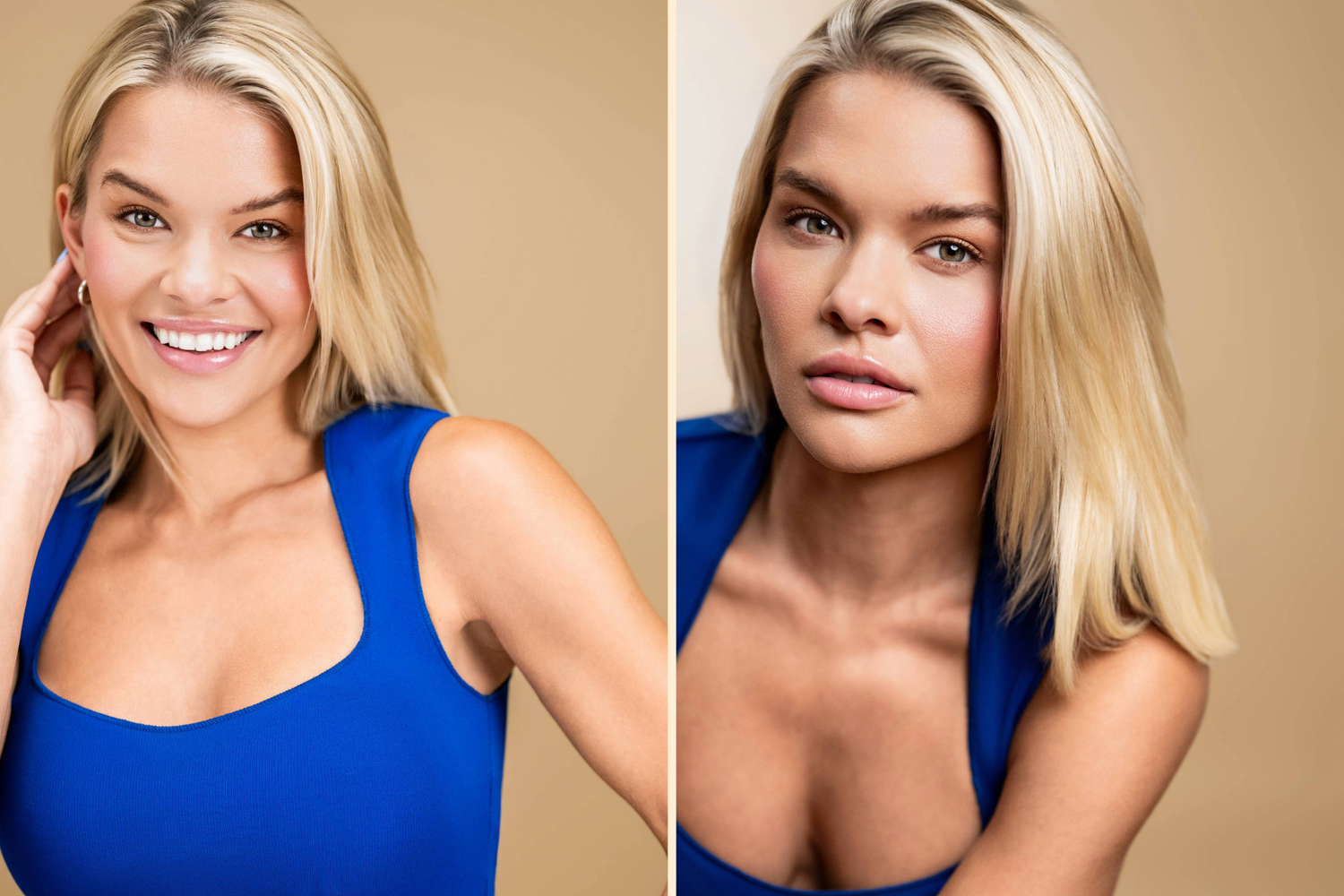
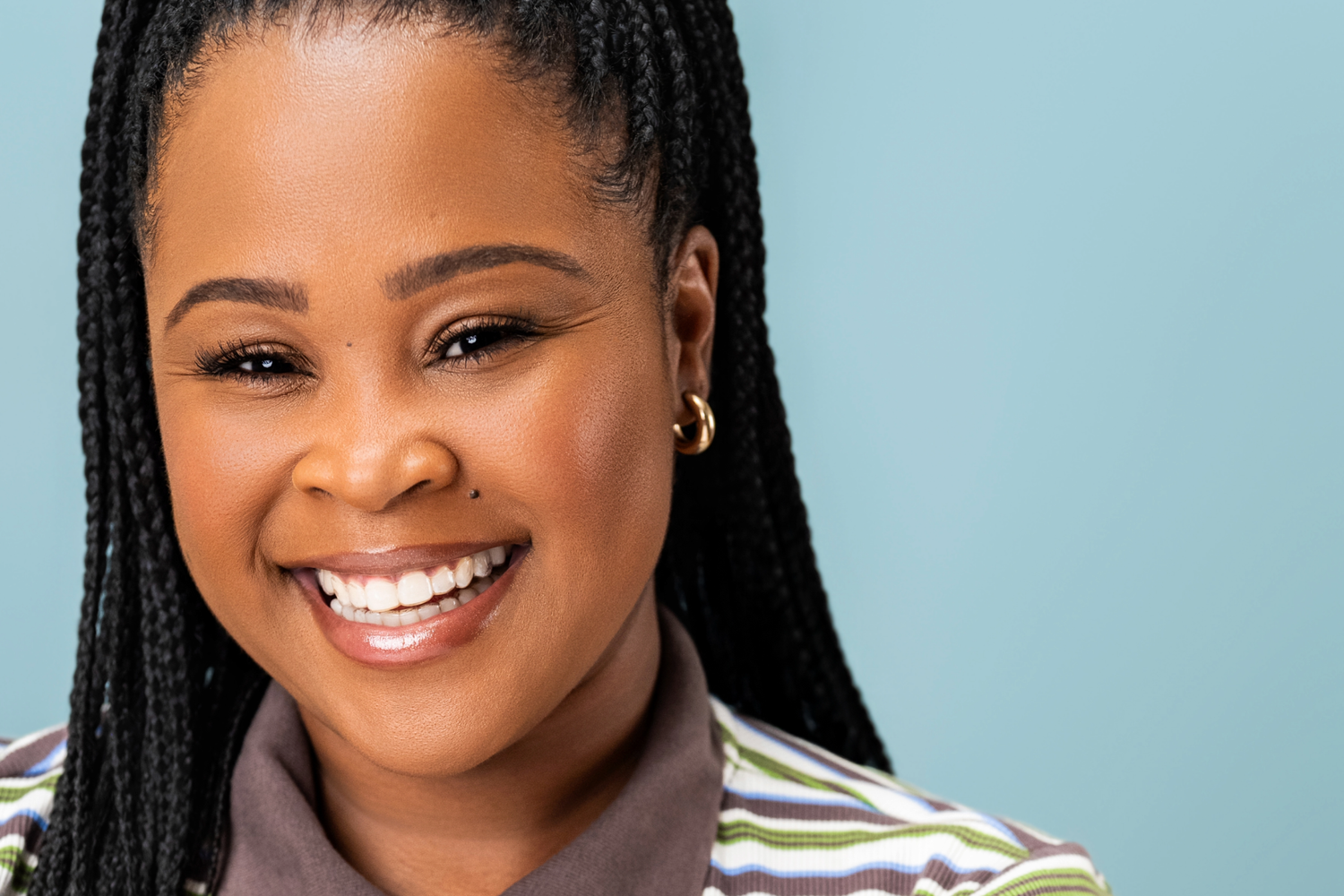
A great actor headshot should be clear, effective, and supportive of your acting career. It should help casting directors understand you quickly.
It should give them a clear sense of where you fit, what kinds of roles you can realistically be called in for, and what “type” they are looking at in that particular photo. When your headshots are focused on the wrong things instead of highlighting your castability, they miss the entire point.
Your headshot is often the first piece of information casting sees. Before they watch your reel, read your resume, or meet you in the room, they are making quick decisions based on whether your photo makes sense for the role in front of them.
That is why a great actor headshot is not just about being photographed well. It is about being understood.
It Should Match the Roles You’re Actually Going Out For
A great actor headshot should be connected to the roles you are actually castable for right now.
Not the roles you hope to play someday. Not the roles you think sound the most exciting. Not the roles that feel the most flattering to your ego. The roles you are realistically going out for based on your age range, energy, essence, experience, and how the industry is likely to perceive you.
That is where honesty becomes really important.
Nailing your age range is a major part of understanding your casting. If you are not honest with your age range, it becomes much harder to understand the roles you are actually castable in. You may end up styling yourself too young, too old, too polished, too casual, or too far away from the lane where casting would naturally place you.
And I know that can feel personal, because age range is not just a technical detail. It can bring up feelings. But in actor headshots, your age range is not a judgment. It is information. It helps you make better choices.
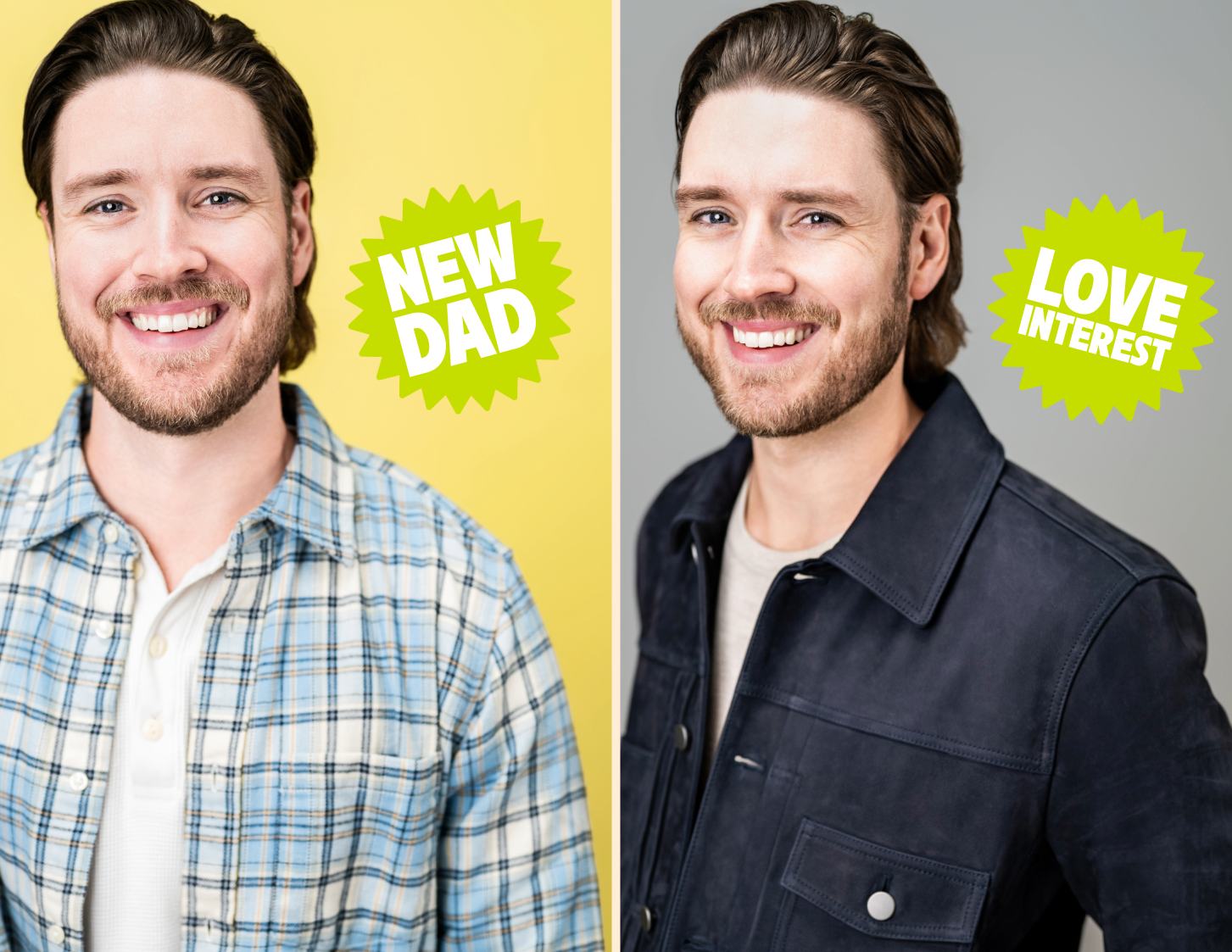
For example, an actor in their mid-20s may be more likely to go out for young adulthood experiences: the love interest, the fun best friend, the intern, the college student, or the person early in their career. An actor in their 40s may be more likely to fall into a more established adult range: the parent, the friendly neighbor, the boss, the doctor, the lawyer, the teacher, or the career professional.
That does not mean those are the only roles available to you. It just means your headshots should be honest about the world casting is most likely to place you in right now.
A mid-20s actor’s wardrobe, expression, and energy will usually communicate something different than a 40-something actor’s wardrobe, expression, and energy. A college student, young parent, new lawyer, seasoned detective, startup founder, nurse, teacher, and best friend all require different reads.
The more honest you are about where you fit, the more useful your headshots become.
A strong actor headshot session should not be about randomly trying on different outfits and hoping something works. It should be about identifying the roles you want to target, understanding what you can believably play, and building looks that help communicate those choices clearly.
Need help figuring out your type? Backstage has a helpful article that breaks down how actors can start identifying their type: How to Find Your Type as an Actor
Your Wardrobe Should Support the Story
Wardrobe is one of the biggest tools actors have for making their headshots more specific.
That does not mean your headshot wardrobe should feel like a costume. No doctor scrubs, cop uniforms, or anything that feels too on-the-nose. The goal is to make smart, intentional, character-driven wardrobe choices that help casting understand the lane you are aiming for.
Making thoughtful choices with your wardrobe helps support the story of the type you are trying to achieve with your headshot.
A soft sweater can tell a very different story than a structured blazer. A bright color might help a commercial headshot feel more approachable and lively. A darker, more minimal top might support a grounded theatrical look. Necklines, layers, textures, patterns, and fit all change the read.
The question is not, “Does this shirt look good on me?”
The better question is, “What does this choice communicate?”
That is the mindset all actors should bring into their headshot wardrobe. Not panic. Not overthinking every single detail. Just intention.
Your wardrobe should help answer questions like:
- What kind of role is this for?
- Is this look commercial or theatrical?
- Does this support my age range?
- Does this feel like something this character would actually wear?
- Does this help casting understand me faster?
You should be thinking through and planning your headshot looks weeks before your session, not showing up with a suitcase of random options. I know this from experience: when you come to the shoot with no game plan, it becomes more about troubleshooting. When you show up with intentional choices, we can spend more time refining, directing, and creating images that actually serve a purpose.
I wrote more about this process in my headshot look guide here:
What to Wear for Headshots: The Ultimate Actor’s Wardrobe Strategy Guide
A great outfit will not do all the work for you, but the wrong outfit can absolutely work against you.
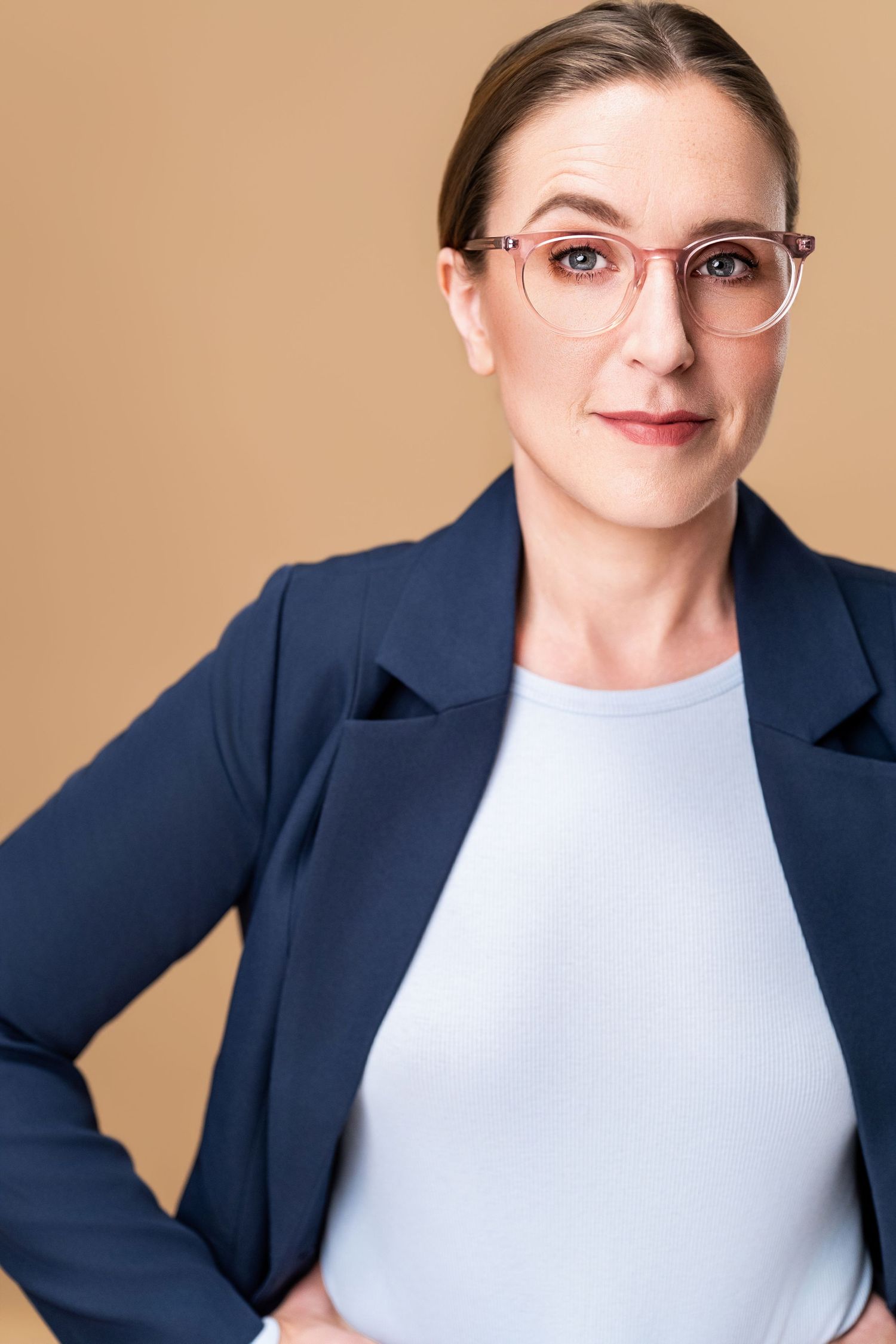
Acting Makes Better Headshots
One of the biggest misconceptions about actor headshots is that commercial headshots mean “smile” and theatrical headshots mean “look serious.”
But that is not what makes a headshot great.
A smile does not automatically make a commercial headshot feel warm, approachable, or castable. A serious expression does not automatically make a theatrical headshot feel grounded, intense, or emotionally interesting. If you are just smiling or just looking serious without connecting to who you are portraying, the headshot can start to feel stiff, blank, or disconnected.
A great actor headshot should feel like there is something happening behind the eyes.
That is where acting comes in.
During sessions, I do not want actors to just hold a face and hope it reads. I want them to move, breathe, think, listen, react, and connect to the character type we are trying to create. Sometimes I will have actors say a sentence out loud or in their head that feels like something that character would actually say. That tiny shift can change everything.
Because now you are not just “smiling.” You’re greeting a valued customer. You’re trying to win someone over. You’re hiding your awkwardness from someone you like. You’re being mischievous. You’re falling in love.
And now you are not just “looking serious.” You are holding back information. You are challenging someone. You are trying to stay composed. You are listening closely. You are deciding whether or not you trust the person in front of you.
Those little acting choices create depth, life, and believability.
For actors, the goal is not to have one good “headshot face.” The goal is to create expressions that feel connected to the roles you are targeting.
Your commercial headshots should always feel warm and open and your theatrical headshots should feel human and have complexity but what makes them actor headshots is the specificity underneath the expression.
The best actor headshots feel alive because the actor is actually present in them. Not frozen. Not posing. Not just arranging their face into what they think a commercial or theatrical headshot is “supposed” to look like.
Acting makes better headshots because it helps the image tell a story, even in a single frame. And when casting looks at your headshot, that connection can be the difference between a photo that simply looks nice and a photo that makes them believe you in the role.
A Great Actor Headshot Should be of a Real Person
A great actor headshot should look like the person who is actually going to walk into the audition room or show up on set.
That may sound obvious, but it is important to remember as some actors take their headshots in a direction that feels overly glamorous, heavily edited, or now, sometimes, completely AI-generated. Your actor headshot is not supposed to be an idealized version of you. It is supposed to be a clear, current, castable version of you.
Casting should not be surprised when you walk into the room.
A few things that can create that disconnect:
Hair and makeup that do not reflect your real look
If you do not normally wear heavy makeup, dramatic false lashes, long extensions, or a hairstyle you cannot realistically recreate, your headshot session is not the time to try it out. You want to look polished, but you still want to look like the person casting will actually meet.
Retouching that changes your features
Good retouching should clean up temporary distractions, not erase the things that make you look like yourself. Yes to removing the pimple that popped up the night before your shoot or softening the dark circles under your eyes because you got a bad night’s sleep. But no to removing your unique beauty marks, smoothing your skin until it has no texture, changing your face shape, or editing your body to look noticeably different. Heavy-handed editing works against you!
AI headshots that create a fake version of you
AI headshots are not just “not you.” They can be a huge red flag. Commercial, TV, and film roles are all about connecting with an audience of real people, and AI-generated headshots can immediately make people feel disconnected.
Casting is not looking for a soulless, perfectly generated version of you. They are looking for a real person they can believe in a role. When you use an AI headshot to represent yourself, it creates distrust. Instead of helping casting understand you, you're doing the opposite and making them doubt you.
For actors, your headshot should build trust. AI headshots do the opposite.
The goal is not to alter yourself into someone else. The goal is to present yourself clearly, honestly, and intentionally.
Because when casting calls you in, the photo has done its job only if the person in the headshot and the person who shows up feel like the same person.
The Best Headshot Photographer Is the Right Photographer for You
When you are searching for the best headshot photographer in Los Angeles, it is easy to assume there is one obvious answer: the photographer with the longest career, the most reviews, the highest prices, or the sponsored result at the top of Google.
But the best photographer on paper is not always the best photographer for you.
A great actor headshot is personal. Beyond the basics of lighting, composition, and technical skill, you want to look for headshots that feel clear, specific, and useful for an actor’s career. When you look through a photographer’s portfolio, ask yourself: Do these headshots feel castable? Do the expressions feel alive? Do I like their style? Can I imagine myself in their work?
The goal is not just to find a photographer who takes good photos. The goal is to find a photographer who takes the right photos for you.
And beyond the portfolio, spend time on their website. Read how they talk about their process. Do they seem collaborative? Do they understand actors? Do they seem like someone you would feel comfortable working with?
Because how you feel during your shoot makes a huge difference in your final headshots. The right photographer should make you feel prepared, understood, and well-guided, not like you're just another client, or make you feel judged, or left to figure everything out on your own.
I wrote more about this here: How to Choose the Best Headshot Photographer in Los Angeles
That is what helps turn a technically good photo into a great actor headshot.
Final Thoughts: A Great Actor Headshot Should Give Casting a Reason to Consider You
When casting is looking through a sea of submissions and they land on your headshot, they should understand you right away. They should be able to see your age range, your type, what you can bring to the role, and your castability. And hopefully, it makes them stop and say, “I want to see this person audition for this role.”
That kind of headshot does not happen by accident. It comes from making smart, specific wardrobe choices, acting through your session to create the right expressions, and making sure the final image still feels like a truthful, castable version of you.
That is what makes an actor headshot great. Not just that it looks good, but that it works.