
You need a headshot, but not just any headshot.
The right headshot should represent the version of you that makes sense for where the photo is being used. Professionally, personally, creatively, or some mix of all three. But it also needs to do a job. It should help the right people understand what you do, what you bring into the room, and why they should trust you, cast you, hire you, or keep looking.
That sounds like a lot for one photo, because honestly, it is.
People make quick decisions from photos. Sometimes too quick. There’s even research from Princeton showing that people can form an impression from a face in as little as 100 milliseconds. That’s basically a blink.
So yes, your photo matters.
A headshot is often the first thing someone sees before they read your bio, open your resume, watch your reel, visit your website, or click through the rest of your profile. But the goal is not just to look good.
The goal is to look right for where you are trying to go.
Start With the Goal, Not the Outfit
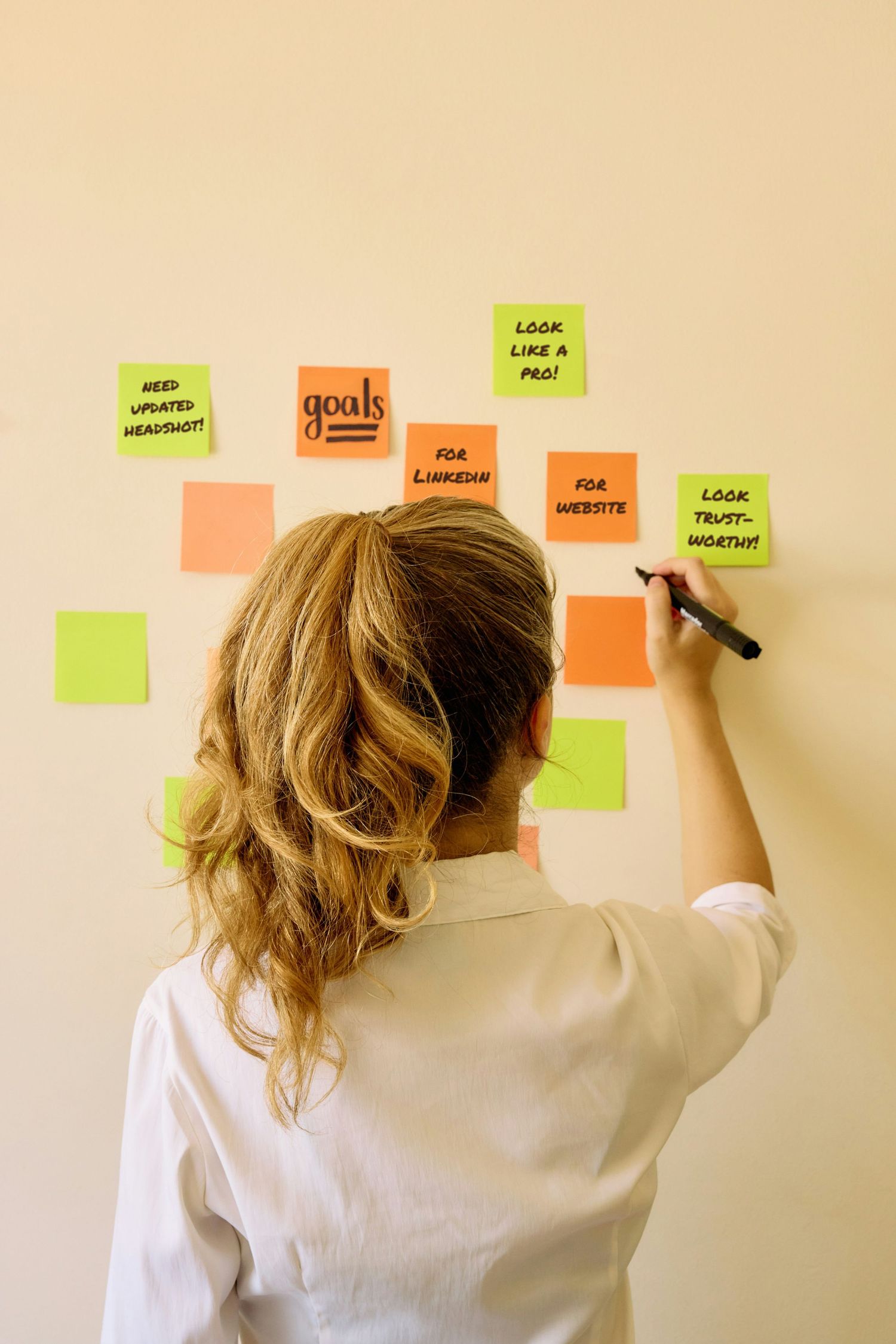
Wardrobe is usually where people want to start.
I get why. Clothes are tangible. You can pull things from your closet, order new pieces, compare colors, send photos to friends, and feel like you are making progress.
But wardrobe is not the first decision.
The first decision is what you need these photos to help you do.
Are you trying to get called in for auditions? Look more current on LinkedIn? Build trust with potential clients? Show more personality on your website? Create images that feel more aligned with the next version of your career?
Those answers matter because they give the whole session direction.
Without that direction, wardrobe gets overwhelming fast. Every shirt becomes a maybe. Every color becomes a debate. Every outfit starts representing a different version of you, and suddenly you are trying to solve the entire photo shoot from inside your closet.
That is the hard way to do it.
Your goal is the compass.
Once you know where the photos are going to be used and what you need them to communicate, the outfit choices become much clearer. You are not just asking, “Do I like this?” You are asking, “Does this support the photo I actually need?”
That shift makes a huge difference.
An actor choosing wardrobe for a commercial headshot is making a different choice than a founder updating their website photos. A therapist building trust online is making a different choice than a comedian trying to show range. A business professional refreshing their LinkedIn photo is making a different choice than someone creating lifestyle images for a personal brand.
It is not about one outfit being right and another being wrong. It is about whether the outfit supports the destination.
So before you start shopping, styling, or spiraling, start with the goal.
- Where will these photos live?
- Who needs to see them?
- What do you want those people to understand about you?
Answer those questions first. Then let the wardrobe follow.
Match the Style to the Way People Need to Read You
Once you know the goal, the next question is context.
Who is looking at this photo?
A casting director, a potential client, a hiring manager, a future collaborator, a website visitor, and someone on a dating app are not all looking for the same thing. They may all be looking at your face, but they are reading the photo through a different lens.
That is why the same headshot style does not work equally well everywhere.
A photo that is perfect for LinkedIn may feel too polished for a personal branding profile image. An intense theatrical character headshot might be great for an actor, but feel confusing almost anywhere outside of acting. A fun lifestyle photo may be perfect for your website or social media, but too casual when applying for a job.
When a profile image does not feel appropriate or applicable, it creates doubt. It can make people pause, feel confused, or quietly question whether they should reach out to you.
Your headshot should help the right person understand the right thing quickly.
Not the way your cousin thinks you look best. Not the way your friend’s headshot looked. Not the way a random Pinterest board decided professional photos are supposed to look.
The question is: what does your audience need to understand when they see this photo?
Do they need to see that you are castable? Trustworthy? Warm? Creative? Serious? Approachable? Confident? Experienced? Specific?
That answer is what should guide the style of the session.
Actor Headshots: Specific, Castable, and Type-Aware
Actor headshots are not just portraits. They are tools.
A strong actor headshot should help casting understand where you fit. It should give them a clear sense of your type, acting age, range, and castability.
A commercial headshot should feel open, bright, friendly, brand-friendly, and approachable. A theatrical headshot should be more grounded, specific, complex, and emotionally present.
Your acting headshot should communicate something useful to casting. It should show different parts you can realistically play.
The biggest mistake actors make is choosing the photo where they look the prettiest or coolest instead of the photo that communicates something clear.
Pretty is nice. Castable is useful.
If you want to better understand the difference between commercial and theatrical headshots, I break that down more in this blog post.
Business and Professional Headshots: Polished, Credible, and Approachable
Business headshots have a different job.
They need to help someone trust you before they meet you.
That might be on LinkedIn, a company website, a speaker bio, a press page, a conference profile, or an email signature. Wherever it appears, the photo should feel current, clean, and aligned with your professional identity.
That does not mean stiff.
A lot of people hear “professional headshot” and immediately picture something overly corporate or uncomfortable. That is not the goal. A good business headshot should still feel human. It should feel polished without making you look like a completely different person.
The right look depends on your industry, your role, and the impression you want to make.
If you work in a more traditional corporate setting, a clean studio backdrop and polished business look may make the most sense. If you are a realtor, a headshot with one of your listed properties in the background could help connect your photo to the work you actually do. If you are an artist, maker, or creative business owner, a vibrant outfit in your studio or shop may communicate your personality and profession much better than a standard gray backdrop.
If you need help deciding what to wear for your professional business headshot, take a look at this complete guide: What to Wear for Business Headshots: A Professional Wardrobe Guide.
Lifestyle and Branding Headshots: Relaxed, Personal, and Personality-Forward
Lifestyle and branding headshots are for people who need their photos to communicate more than professionalism.
They need images that give people a better sense of who they are, what their work feels like, and what it might be like to connect with them.
Entrepreneurs, creatives, coaches, artists, content creators, and anyone whose work depends on personal connection usually need photos that feel professional, but not overly formal. The image still needs to build trust, but it also needs to show some personality and a little more of the real person behind the work.
This is where we can bring in more life through wardrobe, expression, movement, color, setting, and overall energy. The photo can feel warm, confident, creative, calm, bold, playful, or grounded depending on what makes sense for you and your brand.
For these types of careers, connection matters. The photos may feel a little more personal than a traditional business headshot, but they should still feel intentional.
They should not feel like a placeholder. They should feel like part of the story you are trying to tell.
I break down personal branding headshots more in this blog post: The Art of Personal Branding: How the Right Images Shape the Way People See You.
Choose a Photographer Whose Style Already Matches Your Direction
Once you know what you need your headshots to communicate, choosing a photographer becomes much easier.
Look through their work and pay attention to your immediate reaction. Can you see yourself in that style? Does their portfolio feel aligned with the direction you are going? Do the people in their photos have the kind of energy, expression, polish, or personality you want in your own images?
That instant “yes, this feels right” matters.
Every photographer has a different eye, and that is a good thing. Some photographers are more corporate and polished. Some are moodier and more dramatic. Some are bright, colorful, expressive, and relaxed. Some are editorial. Some are minimal. Some are more traditional.
None of those styles are wrong. They are just different.
The mistake is hiring a photographer whose natural style does not match what you actually want, then trying to make them become a different kind of photographer during your session.
That usually leads to frustration for everyone.
A good pro tip: do not try to force a photographer to be something they are not. Hire the photographer whose work already looks and feels like the direction you want to go.