If you’ve ever wondered, “Do I actually need both commercial and theatrical headshots?” the answer is yes.
If you want to submit for both commercial work and film and television roles, you need separate headshots for each category. Commercial and theatrical headshots are not interchangeable. They serve different purposes, communicate different things to casting, and help position you for completely different types of roles.
Every LA actor should approach their headshots strategically. One photo cannot do everything well. A commercial headshot needs to feel open, approachable, expressive, and easy to cast in ads, sitcoms, lifestyle campaigns, and lighter television roles. A theatrical headshot needs to show more depth, specificity, and emotional range for film, drama, procedural, streaming, and television work.
If you’re trying to book more consistently in Los Angeles, you need intentional headshots that match the categories you’re submitting for. That does not mean you need an overwhelming number of photos. It means you need the right photos, with the right energy, for the right submissions.
Commercial vs. Theatrical: What Casting is Actually Seeing
Commercial and theatrical headshots do different jobs, and casting is looking for different things in each one.
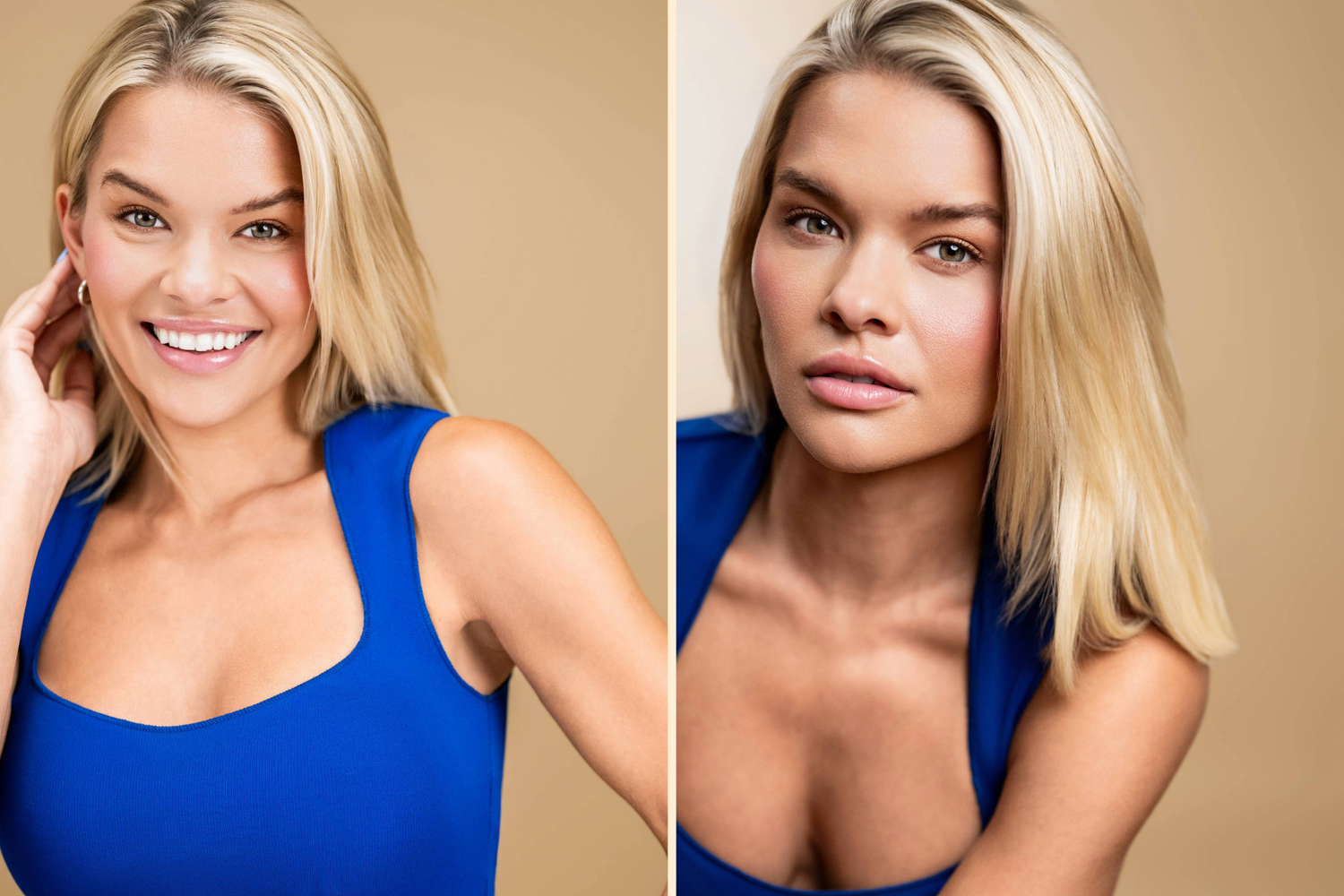
A commercial headshot needs to feel warm, open, approachable, expressive, and easy to trust. This is the headshot you use for commercials, ads, print, lifestyle work, UGC-style campaigns, and lighter television roles. Casting should be able to look at the image and quickly understand how a brand, product, or audience could connect with you.
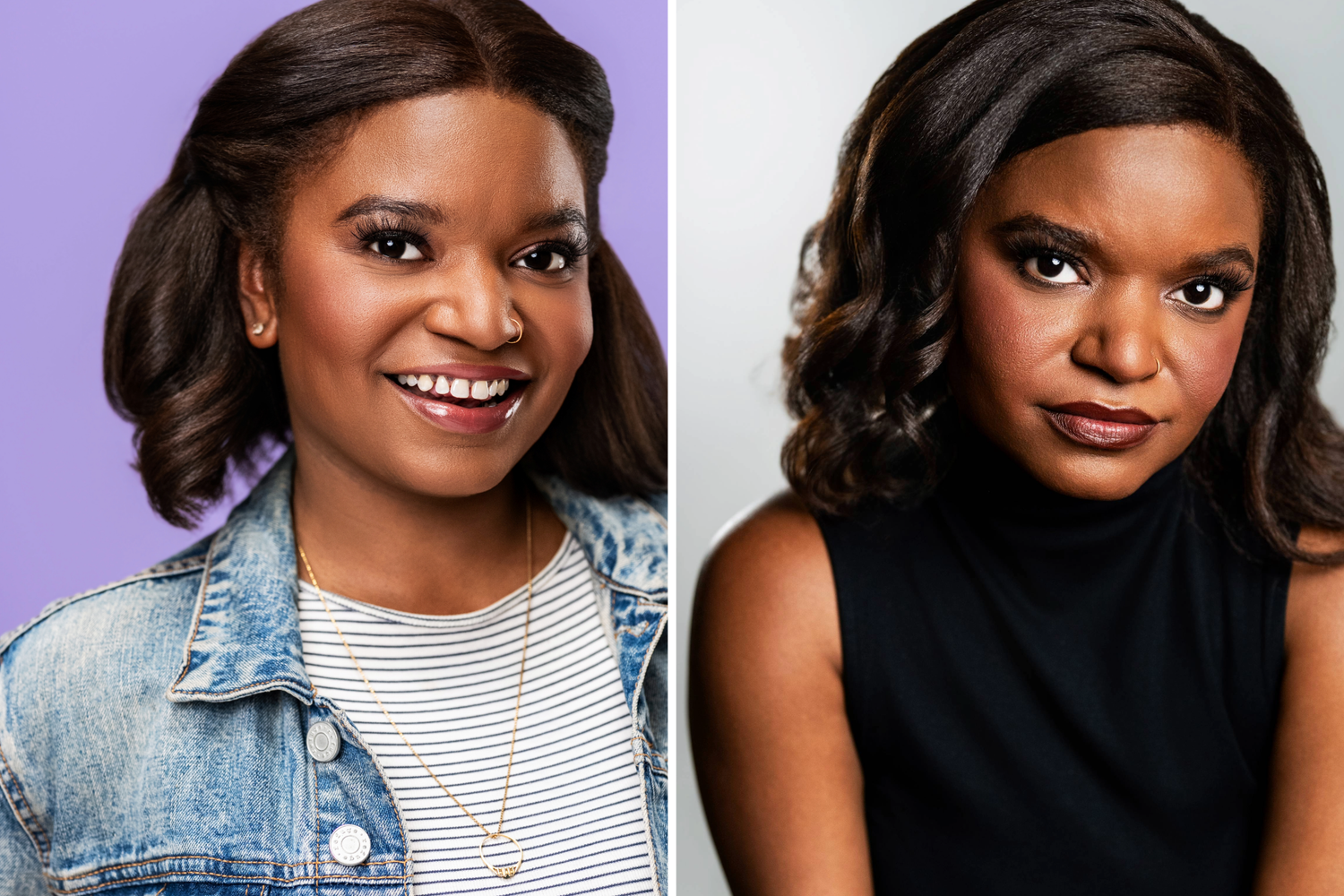
A theatrical headshot needs to feel grounded, specific, emotionally present, and story-driven. This is the headshot you use for film, television, stage, drama, procedurals, streaming roles, and characters with more depth. Casting should be able to look at the image and picture you inside a scene.
Industry resources like Backstage describe the same general difference: commercial headshots are built around personality, approachability, and marketability, while theatrical headshots focus more on character, emotional depth, and story. That matches what I see in actor headshot sessions too. The goal is not just to take a nice photo. The goal is to create the right photo for the right kind of submission.
They are not studying your headshot like it is a gallery piece. They are scanning for type, tone, and fit. They want to know: does this actor make sense for this project? Do they belong in this lane? Can I picture them in the role quickly?
That is why the energy of each headshot matters. Commercial says, “I am relatable, current, and marketable.” Theatrical says, “I can live in a character and carry a story.”
I see this all the time in sessions. When an actor knows whether we are shooting for commercial or theatrical submissions, the image gets much stronger. A commercial look becomes more open, bright, expressive, and connected. A theatrical look becomes more grounded, specific, and emotionally present. It is the same actor, but the headshot is doing a different job.
For a deeper breakdown of how these two categories differ, read my full guide: What’s the Difference Between Commercial and Theatrical Headshots?
Why One Headshot Falls Short
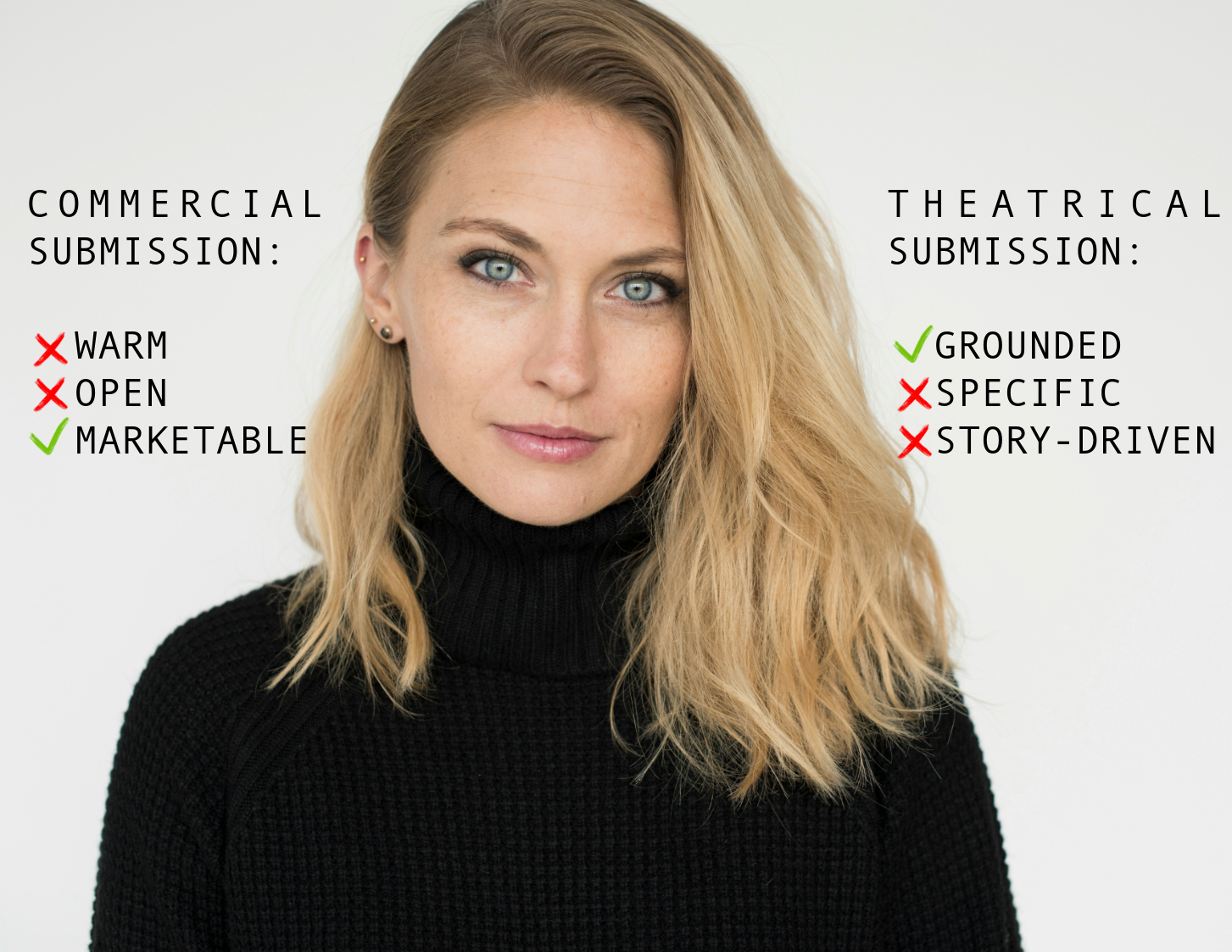
One headshot falls short because commercial and theatrical submissions are asking for different things.
A commercial headshot can look too bright, too polished, or too broadly friendly for a dramatic film or television role. It might be a great commercial photo, but if the role needs depth, edge, tension, or emotional weight, that photo is working against the submission.
A theatrical headshot has the opposite problem. It can feel grounded and specific, but too serious, muted, or intense for commercial submissions. If casting is looking for someone warm, open, expressive, and marketable, a theatrical shot does not fit.
That mismatch matters because casting directors move quickly. They are sorting through a lot of submissions, and your headshot either makes the connection immediately or it does not.
If the image does not match the role, they skip it. Not because they are mean or because the photo is bad, but because the headshot is not doing the right job for that submission.
- Commercial headshots should feel warm, open, expressive, and marketable.
- Theatrical headshots should feel grounded, specific, emotionally present, and story-driven.
When you try to make one photo cover both categories, you end up with a headshot that is too general to be truly effective for either one.
How to Decide What You Need Right Now
Start with what you are actually submitting for, not what sounds ideal in theory.
- If you are submitting mostly for commercials, ads, print, UGC-style projects, lifestyle campaigns, or brand work, you need a strong commercial headshot.
- If you are auditioning mostly for TV, film, stage, drama, procedurals, indie films, or streaming roles, you need a strong theatrical headshot.
- If you are actively pursuing both, you need both.
That does not mean you need an overwhelming number of photos. It means you need the right photos for the right submissions. A strong actor headshot session should help casting see where you fit quickly, whether that is the friendly neighbor in a commercial spot, the young professional in a brand campaign, the dramatic guest star, the offbeat office employee, or the grounded character in an indie film.
If you are unsure where to start, look at your actual audition emails and submissions. What are you going out for most right now? What roles are you trying to be seen for next? What headshot would help casting understand you faster?
That question matters more than trying to create one perfect photo that somehow covers every possible opportunity.
If budget is tight, start with the look that matches your current casting goals first, then add the second category when you are ready. But if you are submitting for both commercial and theatrical work in Los Angeles, one headshot is not enough.
This is exactly where working with a photographer who understands actors makes a difference. At Nice Headshots, I build actor headshot sessions around the roles you actually go out for, not just what looks cute on a camera roll. The goal is to create headshots that feel clear, specific, and useful for your submissions.
If your current headshot is trying to cover every category, that is probably the problem. Choose the look that matches where you are going now, not a watered-down version that tries to work for everything.
Ready for clear, strategic actor headshots in Los Angeles? Book your session with Nice Headshots and we’ll figure out the right mix for your commercial and theatrical submissions.