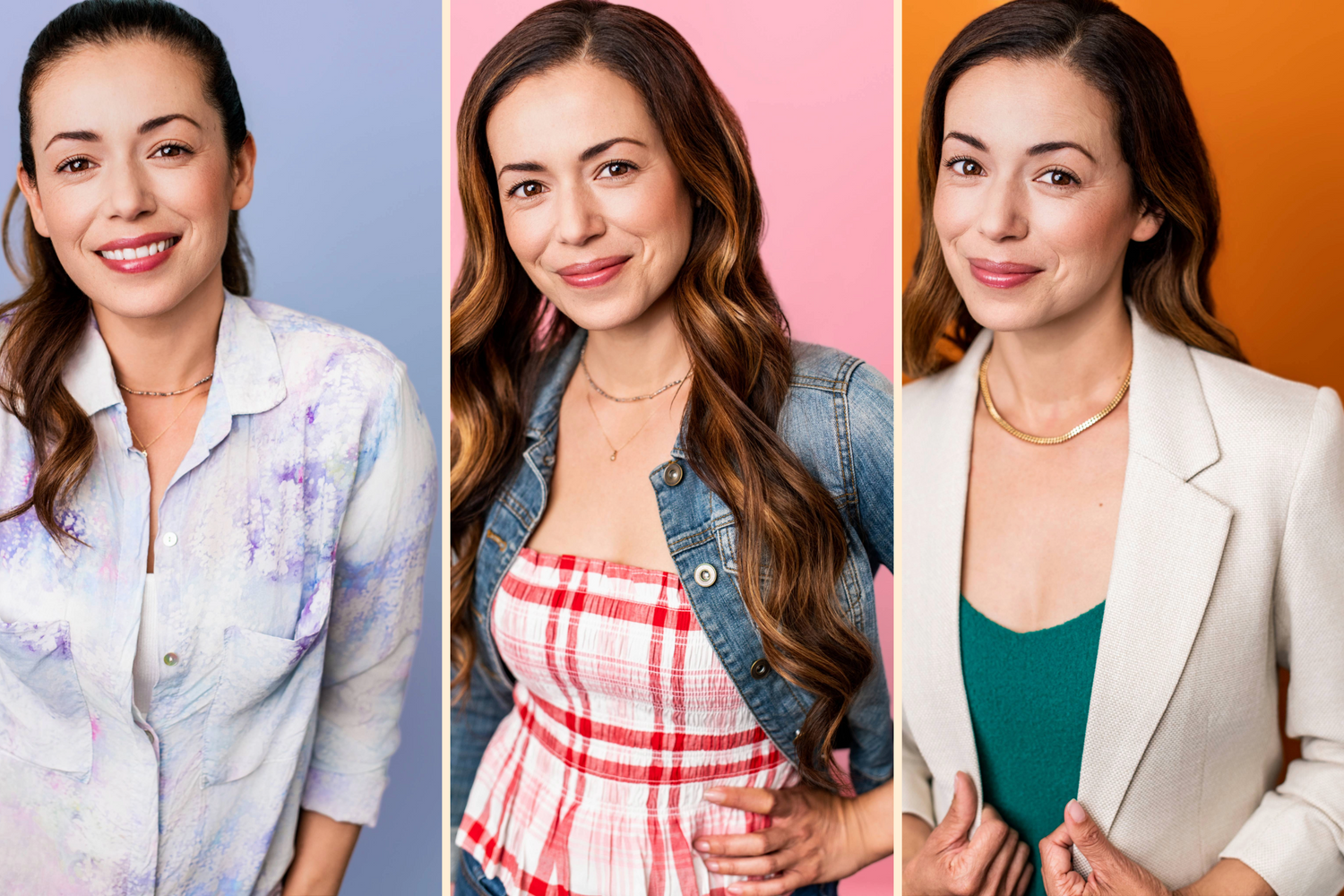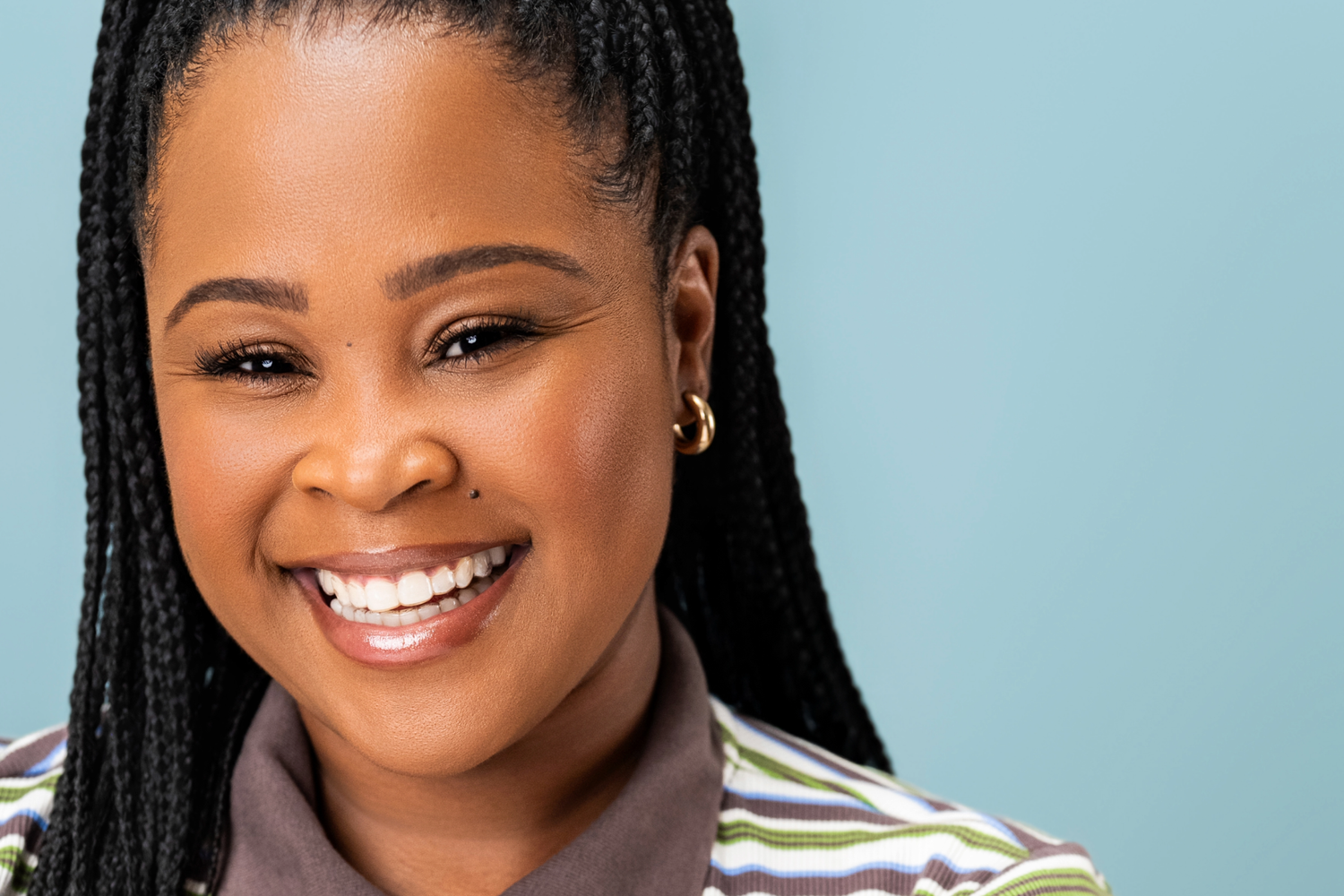
Actor headshots are not simply a nice photo of yourself.
An actor’s headshot has a job to do, and it is an important one. It needs to show casting directors, agents, managers, and creative teams a clear version of who you are and how you might be cast. For many people in the industry, your headshot is your first introduction, so it has some heavy lifting to do.
After photographing a lot of actors, especially actors who are just starting out, there are a few things I wish more people knew before their headshot session. A little more clarity before the shoot can make a huge difference in the final images, help you make smarter choices, and save you from spending money on headshots that do not actually serve you.
Know the Types You Are Trying to Capture
Before your headshot session, it helps to think about how you are likely to be cast.
Are you often the best friend, the young professional, the detective, the lawyer, the teacher, the villain, the romantic lead, the quirky coworker, the sarcastic sibling, the wealthy club member, the tired parent, or the nervous assistant?
You do not need to box yourself in completely, but you should have some sense of the lanes you belong in.
One of my biggest tips is to start with your casting age range. This is so helpful because it narrows down the kinds of roles you would realistically be going out for. If you are castable in the late teens to early 20s, you are probably not going to be going out for the CEO or parent roles. You are more likely to be focused on student, young adult, coming-of-age, best friend, or person-next-door types of roles.
A headshot session is much stronger when you are creating different looks that each communicate roles you can actually play.
That is why wardrobe matters. Expression matters. Energy matters. A clear focus for each look can completely shape the story of the headshot.
Commercial and Theatrical Headshots Are Not the Same
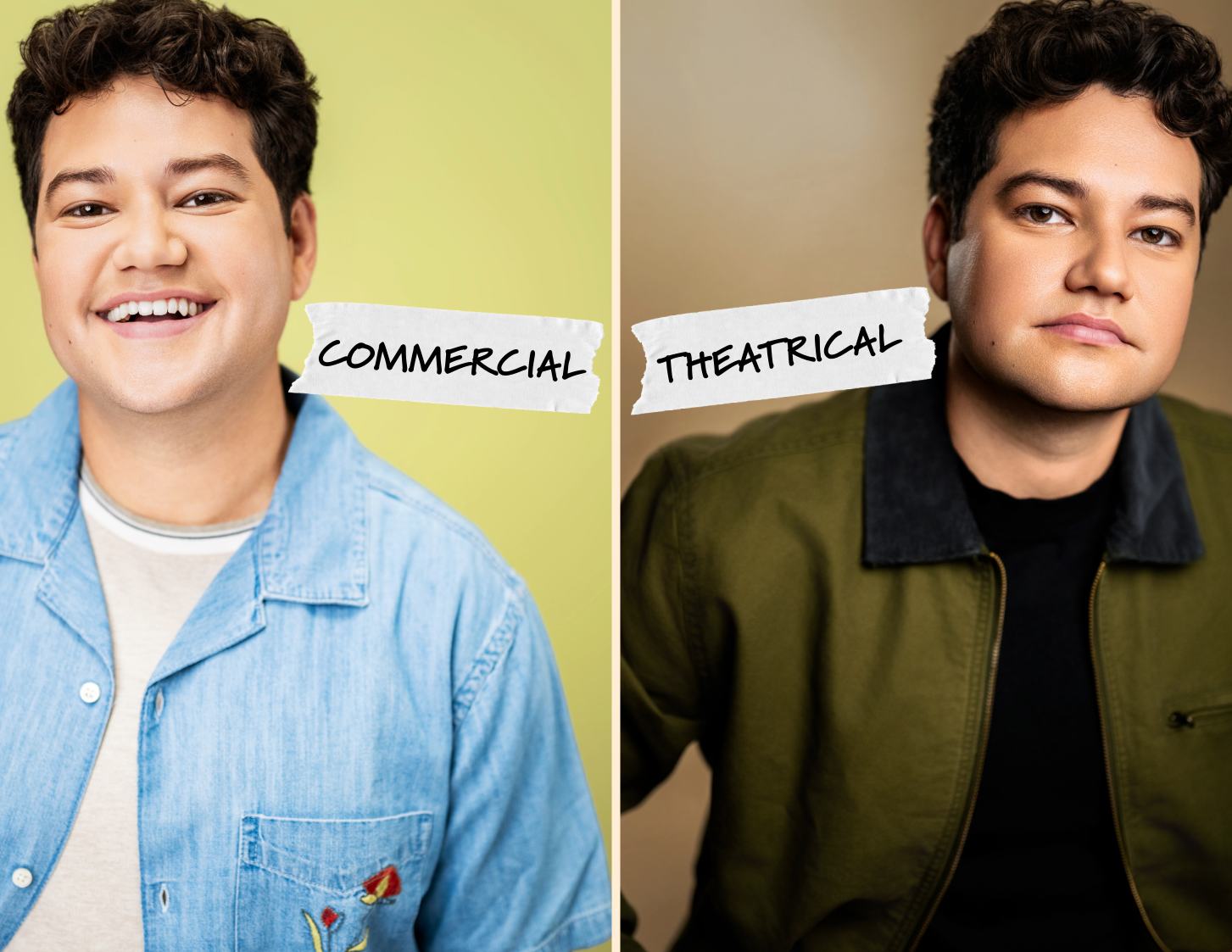
Commercial and theatrical headshots have different goals.
A commercial headshot is used for roles in advertisements, which means you would be representing a brand. Casting is looking for actors who feel warm, approachable, funny, relatable, trustworthy, and inviting.
Think about a big brand like McDonald’s. They aren't looking for a dark, moody, intimidating actor to represent a Happy Meal commercial. They want someone who feels friendly, open, and fun.
Your commercial headshots should match that kind of energy. Brighter backdrops, personality in your wardrobe, and warm expressions all help create an image that is best for commercial casting.
A theatrical headshot is different. These headshots are used for theatre, TV, and film roles, which means the image often needs to suggest more depth, range, and emotional complexity.
Theatrical roles can be much more specific and varied. You might be playing someone guarded, ambitious, intense, vulnerable, dangerous, heartbroken, sarcastic, exhausted, powerful, awkward, or mysterious. Understanding the kinds of theatrical roles you can realistically play helps you narrow in on headshots that actually support your career.
Once you know the direction of the look, it helps to channel that character while we are shooting. The goal is not to overact in your headshot, but to bring enough intention into the image that casting can imagine a person with a backstory, a point of view, and an arc.
I break down the differences in more depth in this blog post: What’s the Difference Between Commercial and Theatrical Headshots?
For actors, understanding what you are aiming for matters. If you are focused on commercials, TV and film, theatre, or a combination of all three, knowing the difference before your headshot session helps you choose the right kinds of images to create.
Wardrobe Should Support the Character
Wardrobe matters a lot in actor headshots.
I do not think your clothing needs to be boring or overly plain. In fact, I strongly believe in looks that have personality, especially if we are creating a specific type or character direction. The right jacket, color, neckline, texture, or layering piece can immediately help the photo feel more specific.
The key is that the clothing should support the character we are trying to create.
If we are going for young professional, detective, lawyer, wealthy club member, cool best friend, artist, teacher, villain, or quirky office mate, the wardrobe should help us get there. It should give the image a clearer point of view.
What we want to avoid is clothing that distracts from the story of the headshot. Big logos, pieces that feel overly stylized, or choices that are too out of the box can make the casting idea less clear. It is about finding the balance between too simple and over-the-top.
Actor headshot wardrobe is not about dressing generically. It is about dressing intentionally.
I go into this in much more detail in my wardrobe guide, What to Wear for Headshots: The Ultimate Actor’s Wardrobe Strategy Guide, but the main idea is this: every clothing choice should help the photo communicate something useful.
You Do Not Need to Know How to Pose
A lot of actors come into their headshot session worried that they do not know how to pose.
That is completely fine. You do not need to arrive knowing exactly what to do with your face, body, or hands. A good headshot photographer should be able to understand the casting type you are aiming for and direct you in a way that helps you get there.
The direction should not just be about tilting your chin or turning your shoulders. Those things matter, but the stronger part of the session is helping you connect to the person you are trying to portray.
If we are creating a young professional look, a best friend look, a detective look, a villain look, or a quirky office mate look, your job is not to memorize a pose. Your job is to start stepping into the shoes of that person. What is their energy? What is their point of view? How do they carry themselves? How do they feel?
That is when the photo starts to become more powerful and more clear.
One thing I do not recommend is practicing your smile in the mirror before your session. I always appreciate the dedication, but when someone comes in locked into a practiced smile, the image can fall flat. It starts to feel like they are applying a facial expression instead of being present in the moment.
A strong actor headshot should not feel like a frozen smile or a rehearsed pose. It should feel connected, honest, and specific.
Come into your session the same way you would approach an acting job. Be prepared, be open to direction, and be ready to step into different versions of yourself.
Your Headshots Should Match Where You Are in Your Career
Your headshots should support where you are in your career right now.
It can be tempting to look at another actor’s headshots, especially someone who is further along, and think, “I need photos like that.” But their headshots are supporting their career, their casting, their reps, their credits, their age range, and the rooms they are trying to get into.
That does not automatically mean those same headshots make sense for you.
A newer actor may need a few strong foundational images that clearly show their main casting types. A working actor may need more specific updates based on what they are currently auditioning for, what their reps are asking for, or where they want to shift their casting. A child or teen actor may need updated headshots more often because they change quickly.
There is no one-size-fits-all answer. The right headshots depend on what you need them to do right now.
This is why it is so important not to build your session around someone else’s career. Your headshots should not be a copy of what worked for another actor. They should be based on your casting age, your strengths, your goals, and the kinds of roles you can realistically play.
Are you updating old photos? Trying to get representation? Giving your current reps stronger options? Moving into more mature roles? Expanding beyond one casting lane? Trying to look more specific instead of too general?
The more clearly you understand where you are and what you need, the stronger your headshot session can be.
Your Headshot Should Look Like You
This might sound obvious, but it is an important thing to remember, especially in this age of filters, heavy editing tools, and AI.
Your headshot should be polished, professional, and intentional, but it should still look like the person who is going to walk into the audition room or show up on set. If your headshot is an overly glamorous version of you, heavily retouched to the point where you look unrecognizable, or an AI-generated headshot that does not actually look like you, it can work against you.
That does not mean retouching is bad. Good retouching can absolutely help a headshot. This article from Backstage goes over how cleaning up temporary blemishes, stray hairs, uneven skin tone, or distracting visual elements can make the image feel more polished without changing who you are.
The problem is when retouching goes too far.
Skin should still have texture. Your age range should still make sense. Your features should still look like your features. If the retouching makes you look plastic, overly smoothed, or significantly younger than you actually are, casting may not trust that the person in the photo is the person who will walk into the room.
The goal is not to create some idealized version of yourself. The goal is to create a strong, honest, castable version of yourself.
And most importantly, you do not want to “catfish” the industry. If someone calls you in based on your headshot and then meets a totally different person in the room, that can create a bad first impression and make them less likely to call you in again.
Do Not Overthink Every Frame
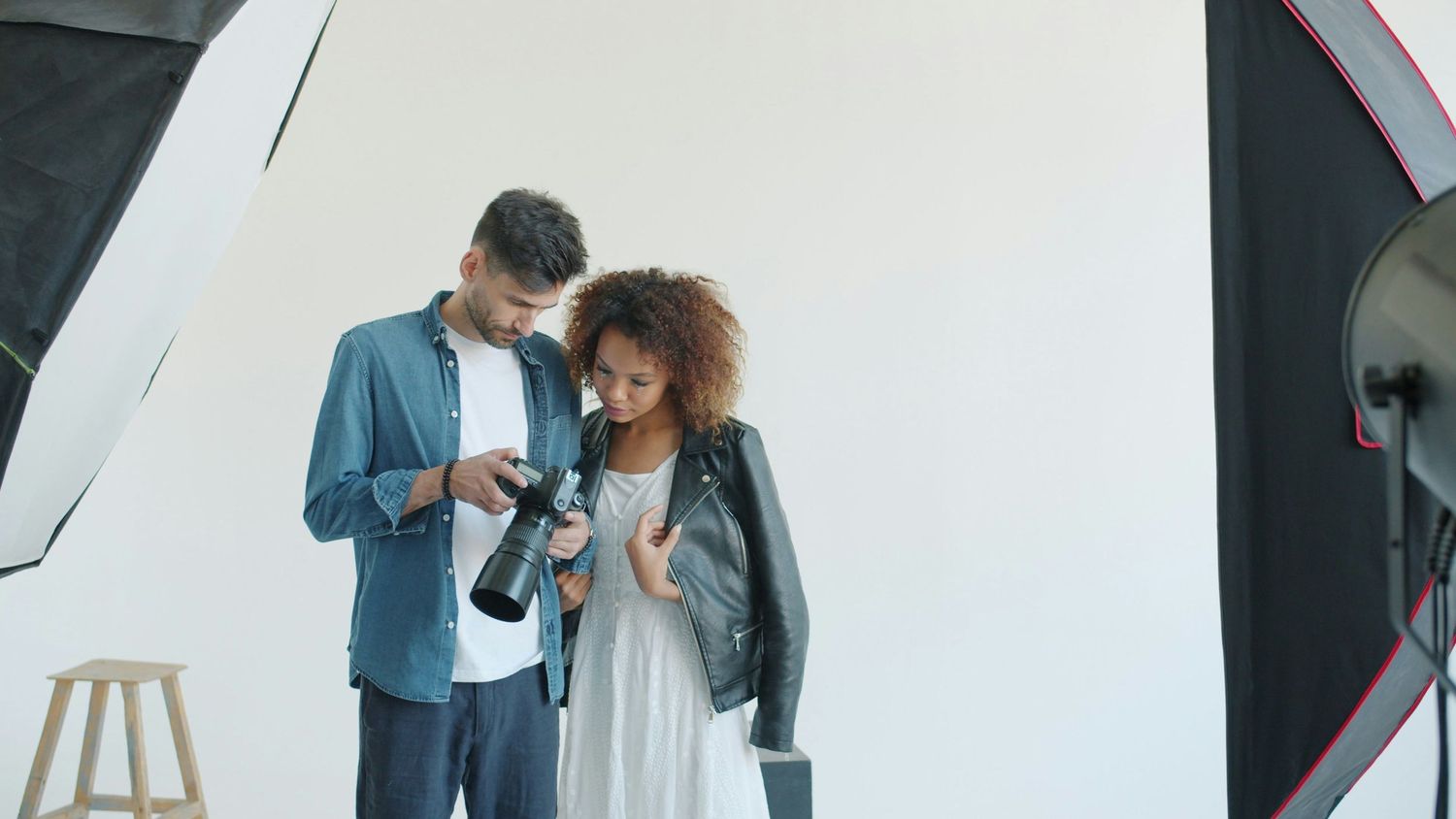
Actors are used to being evaluated, so it makes sense that headshots can feel stressful.
But a headshot session does not need to feel like a test.
When you are trying to control every frame, every expression, and every tiny movement, you can end up losing the very thing that makes the photo work. The magic is usually in what makes you unique, human, and relatable, not in trying to make every second look perfect.
You do not need every single frame to be perfect. You do not need to love every image. You do not need to analyze every tiny facial movement while we are shooting.
The goal is to create a strong final set of images. That means we are going to try things, adjust, refine, and keep moving.
Sometimes the best image comes from a moment that felt casual or in-between. Sometimes it comes right after we make a small correction. Sometimes it happens when you stop trying so hard to “get the headshot” and just connect with the camera.
Final Thoughts
Actor headshots are more than a nice photo. They are one of the first ways you introduce yourself professionally.
A strong headshot should feel accurate, specific, and useful. It should help casting understand where you fit, what you bring, and why they might want to call you in.
That does not mean you need to have everything figured out before your session. But it does help to understand your casting types, know the difference between commercial and theatrical headshots, bring wardrobe that supports the roles you can play, and stay open to direction once you are in front of the camera.
The more intentional you are before your session, the stronger your final images can be.
If you are preparing for new actor headshots in Los Angeles and want to see what different session options include, you can view my acting headshot pricing here.