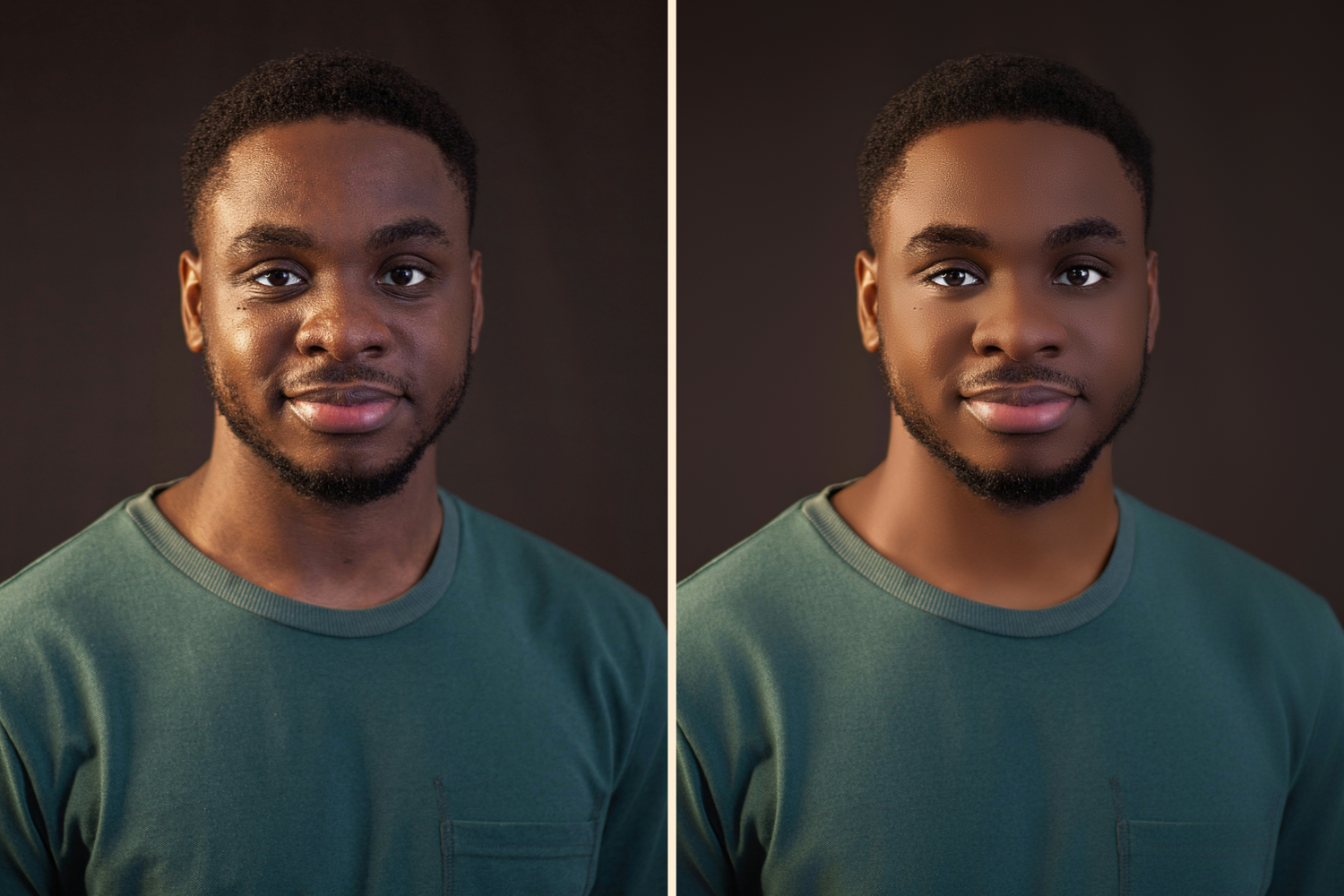

A lot of people come into a headshot session wanting the photo to be perfect.
Perfect hair. Perfect skin. Perfect smile. Perfect angle. Perfect outfit. Perfect editing.
And I completely understand why.
Most people do not get professional headshots all the time, so when they finally do, it can feel like there is a lot of pressure on one image. If this headshot is representing you on your LinkedIn profile, company website, acting profile, business page, personal brand, or press bio, it makes sense that you would want to look your absolute best.
But the idea of a “perfect” headshot can sometimes make people focus so much on flawlessness that they miss the mark.
Because looking perfect is not really the job of a headshot.
A great headshot should look polished, flattering, and professional, of course. But the real goal is not perfection. The real goal is connection. At first glance, it should help people understand who you are professionally, what you represent, and why they might want to know more. It should be clear and specific. It should make someone want to keep looking, reach out, call you in, or hire you.
That is true whether you need business headshots, actor headshots, or branding and lifestyle headshots.
The best headshots are not always the ones where every single detail is perfect.
They are usually the ones where the person and what they represent actually come through.
The Problem With Chasing a Perfect Headshot
When people think about getting headshots, they often start by focusing on everything they want to control.
They want their hair to behave. They want their skin to look smooth. They want their pose to be flattering and their smile to look natural. They want their outfit to be just right. And whatever does not photograph perfectly, they want the editing to clean up the rest.
None of that is wrong.
Those things matter, and that is part of why you invest in headshots that are well-lit, well-composed, thoughtfully directed, and edited with care.
But when perfection becomes the main goal, the photo can lose a big part of what makes a headshot good.
If it is too controlled, too polished, too safe, and too focused on removing every little thing that makes someone look human, the result can be a headshot that looks technically good but does not feel very compelling.
It may be flattering. It may be clean. It may check the expected boxes. But it does not say much about the person in the photo.
That is where people need to reframe what they are asking their headshot to be.
A Headshot Is Not About Making You Look Attractive
Of course you want to like the way you look in your headshot. A headshot should feel flattering. It should make you feel confident. It should represent you well.
But looking attractive is not the point.
A professional headshot is a communication tool.
It is often the first impression someone has of you before they meet you, call you, hire you, cast you, follow you, book you, or decide whether they want to learn more.
That is why a headshot has a different job than a photo you might choose for Instagram or a dating profile. Those images can have completely different goals. They might be about looking intriguing, attractive, fun, personal, or visually interesting in a more casual way.
A professional headshot needs to do something different.
It should communicate professionalism, approachability, confidence, and trustworthiness. It should help people understand you, remember you, or feel some kind of connection to you.
So yes, you should feel happy with how you look in your headshot.
But the goal is not simply to look attractive.
The goal is to create an image that supports what you want people to understand about you professionally.
Compelling Over Perfect
As a headshot photographer with 15+ years of experience, I know how to make a headshot technically beautiful. Lighting, composition, pose, expression, and editing can all come together to create a polished, almost flawless image.
But experience has also taught me that perfection can be boring.
It can lack life. It can lack connection. And that is not what you want from your headshot.
There is a psychology article called “Aesthetic Pleasure versus Aesthetic Interest: The Two Routes to Aesthetic Liking” that explores the difference between aesthetic pleasure and aesthetic interest. It is not about headshots specifically, but I think the distinction is useful here.
Something can be pleasing because it is clean, polished, and easy to look at. But something can also be compelling because it creates interest.
That is exactly the space a great headshot lives in.
Yes, the lighting should be flattering. The edit should be polished. The image should feel professional. But if the photo only stops at pleasing, it is not doing enough.
When I take headshots, my priority is to create an image where you look interesting, specific, and real. I do not want to hide or dilute everything that makes you unique. I want to showcase someone people want to know. Someone people want to work with. Someone people want to connect with.
A good headshot can check the boxes.
A great headshot gives someone a reason to pause.
Your Headshot Should Represent You, Not Erase You
One of the biggest mistakes people make with headshots is thinking the photo should be the most flawless version of themselves.
But that is not the goal. And often, when people aim for flawless, they start to get lost in their own headshot.
Your headshot should still represent a real, professional version of you.
Everything you do for the photoshoot should be thoughtful for how it photographs, while still feeling like an actual decision you would make for yourself. Your hair and makeup should feel polished, like you are showing up to a meeting. Your clothing should communicate your role while still feeling like something you would actually wear to work. Your smile should feel like one you would use to greet a new client.
Show up for your photos as the most professional, put-together version of you.
If you start chasing a version of yourself that feels less authentic and recognizable, your headshots will not feel honest or memorable.
A great headshot should support you, not make you fade away.
What a Headshot Is Actually Supposed to Do
Once you stop thinking of a headshot as a photo where every detail needs to be perfect, you can start thinking about the more important question: what does this image need to communicate?
A headshot should make it easier for people to understand who they are looking at and why they might want to know more.
That means you need to know the purpose of the photo.
Who is the audience? Where will this headshot be used? What do you want someone to understand about you at first glance?
The same image will not work for every person or every purpose because different headshots have different jobs.
A business headshot may need to communicate trust, confidence, and approachability. An actor headshot may need to communicate casting potential. A branding or lifestyle headshot may need to communicate personality, taste, and point of view.
The best headshot is not the one that looks the most perfect in a vacuum.
The best headshot is the one that supports the purpose of the photo.
Business Headshots: Professional Does Not Mean Generic

For business headshots, people often focus on looking professional.
That makes sense. These photos are often used on LinkedIn, company websites, speaking bios, real estate pages, consulting profiles, press features, and professional directories. People are making quick decisions about whether you seem credible, trustworthy, and easy to work with.
But professional does not have to mean stiff. It does not have to mean cold. It does not have to mean a forced smile, a gray background, and a photo that could belong to anyone in your industry.
A strong business headshot should support the way you want to be perceived. There are countless jobs, and even different roles within those jobs, that call for a different kind of image.
Some people need to look polished and direct.
Some people work in client-facing roles where warmth and approachability matter.
Some people are in creative fields and want their headshot to show more color, personality, and artistry.
For others, the goal might be to look grounded, thoughtful, experienced, calm, confident, or friendly.
Your business headshot should still have personality and represent your job and role. It should still feel human. It should help people feel like they are seeing someone they could trust, hire, refer, collaborate with, or start a conversation with.
That is more valuable than looking perfectly corporate.
Actor Headshots: Expressive Is More Useful Than Perfect
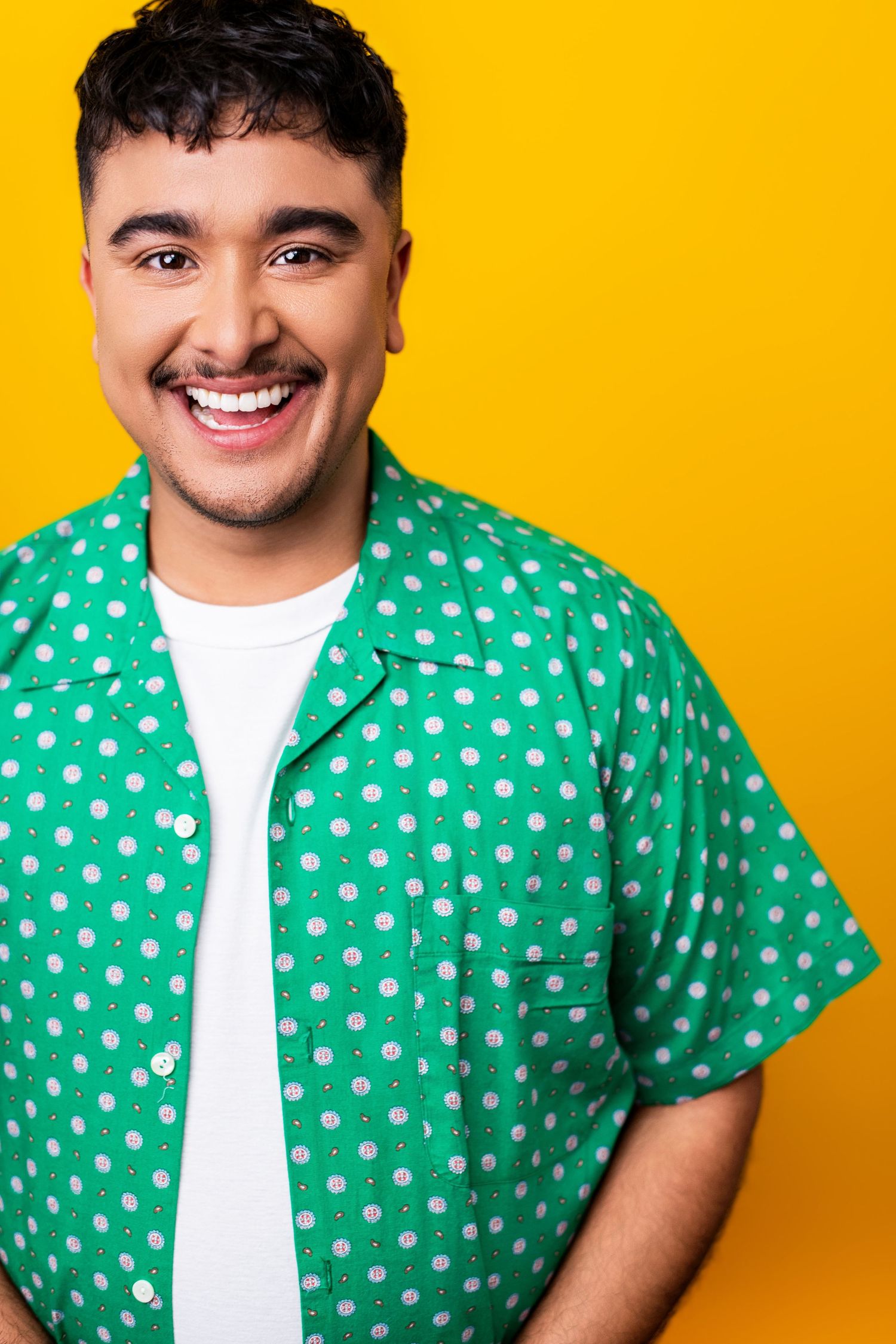
Actor headshots have a very specific job.
They need to help casting understand where to place you.
That means an actor headshot is not just about looking attractive, polished, or camera-ready. It needs to communicate personality, tone, casting potential, emotional range, and the kinds of roles someone could realistically imagine you playing.
This is why expression matters so much.
A perfectly polished actor headshot that says nothing is usually not as useful as a headshot with a clear point of view.
The expression carries the photo. The wardrobe has to support the story. The energy has to feel specific and immediately suggest, “I can play this kind of role.”
I talk about this more in my post, “What Makes a Great Actor Headshot? A Los Angeles Photographer’s Guide,” especially when it comes to why actor headshots should not be overly focused on looking good at the expense of being expressive.
Because for actors, the most useful headshot is rarely the one where every little thing is technically flawless.
Branding and Lifestyle Headshots: Your Images Should Have a Point of View

Branding and lifestyle headshots are a little different because they are often less about one perfect image and more about building a visual world around you.
These photos might be used on your website, social media, marketing materials, newsletters, course pages, podcast graphics, media kits, or anywhere your audience is getting a feel for who you are and what you offer.
So the question becomes bigger than, “Do I look good?”
It becomes, “Do these images give my audience a clear sense of my brand, my lifestyle, or my point of view?”
A branding photo should help people understand your energy. It should give them a sense of your taste, your work, your personality, your values, or the kind of experience someone might have with you.
That can be polished. It can be casual. It can be colorful. It can be editorial. It can be warm and personal. It can be clean and minimal if that truly fits you.
But it should not feel like filler.
If you are the face of your business, your images should feel like they belong to your world.
They should help people connect with you before they ever reach out.
Flattering Still Matters, But It Is Not the Whole Goal
None of this means you should not care about looking good.
You should.
A headshot should be flattering. It should be thoughtfully lit. It should be edited well. It should make you feel confident sharing it.
But flattering is only one layer.
If the photo is flattering but forgettable, it's not doing the job you need it to do.
The strongest headshots have both: you look your best and they communicate something real.
They do not over-polish you into a version of yourself that feels generic.
They do not erase all the little things that make your face, expression, energy, and presence recognizable.
They let you look good while still feeling like a person.
That balance is where the best headshots usually happen.
Because the goal is not to look perfect. The goal is to have a headshot that feels polished, professional, and specific enough to actually help people connect with you.
If you are ready for a headshot that does more than chase perfection, you can view my business headshot pricing here.