Applying to college Musical Theatre and Acting programs comes with a lot of moving pieces.
There are applications, artistic resumes, prescreen videos, songs, monologues, dance submissions, essays, callbacks and, somewhere in the middle of all of that, a request for a headshot.
For students who have already worked professionally as actors, that may feel familiar. But for many high school seniors and their parents, this is the first time they have ever had to think about what a college audition headshot is supposed to look like.
If that’s you, you may be wondering:
- Do you need professional headshots for college auditions?
- Should they look like actor headshots?
- Can you use a senior portrait?
- What should you wear?
- How much should the photo be edited?
- And what exactly are college theatre faculty looking for when they see it?
For the past two college audition seasons, I’ve had the opportunity to photograph students working with My College Audition, an organization that specializes in helping students navigate the competitive Musical Theatre and Acting college audition process.
Working with MCA has given me a much clearer understanding of what these headshots are actually supposed to accomplish. So below, I’m breaking down the requirements, what makes a strong college audition headshot, and some of the questions students and parents may have if they’re going through this process for the first time.
First: Check the Headshot Requirements for Every College
Before talking about what makes a great college audition headshot, there is one important thing every student and parent should know:
Every college theatre program can have different application and audition requirements.
Some schools ask for a headshot as part of the initial application or prescreen materials. Others may simply ask for a current photo, and some specifically state that the image does not need to be professionally taken. A school may also have different requirements later in the process, such as asking students invited to an in-person audition to bring printed copies of their headshot and artistic resume.
There is no single headshot rule that applies to every BFA Musical Theatre or Acting program.
Many Musical Theatre programs participate in the Musical Theater Common Prescreen, or MTCP, which uses an agreed-upon set of criteria to help streamline the prescreen process for students and participating schools.
Even with the Common Prescreen, however, each program can have its own requirements. The MTCP itself recommends confirming the current requirements directly with every school on your list and provides an updated list of participating institutions and their guidelines.
It is also important to remember that requirements can change from one audition cycle to the next.
So before booking a photographer, printing headshots or uploading application materials, always start by checking the current requirements for each specific program you are applying to.
Do You Need a Professional Headshot for College Auditions?
Not necessarily.
And I think that is important for parents to hear from a professional headshot photographer.
If a college says that a professional headshot is not required, then it is not required. A clear, current photograph may be perfectly acceptable for that school's application requirements.
With that said, there are still reasons many Musical Theatre and Acting students choose to have professional college audition headshots taken even when they aren't required.
A professional photographer can control the lighting, composition and color while also helping a student feel relaxed and comfortable in front of the camera. More importantly, a photographer who is familiar with college audition headshots and regularly works with performers can help bring out expressions that feel confident, approachable and natural rather than stiff or overly posed.
It can also take one more thing off the student's and parent's plate during an already busy application season. Instead of worrying about whether the lighting is right, which photo to use or whether the image feels professional enough, they can put that part of the process in the hands of someone who understands what the headshot needs to accomplish.
Lastly, for a student applying to multiple competitive theatre programs, a professional headshot can become one consistent piece of their audition materials that they can use throughout the season.
What Should a College Audition Headshot Look Like?
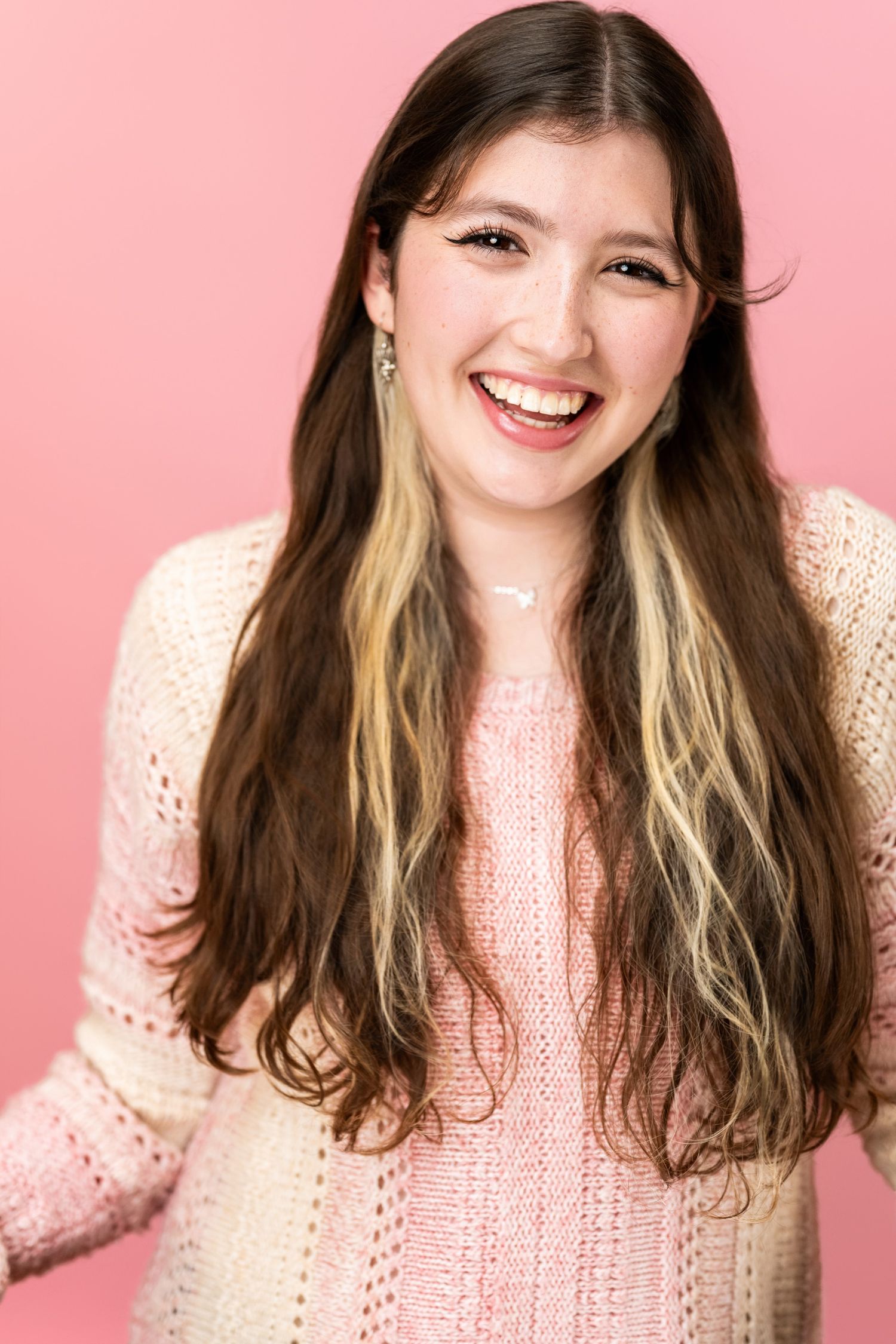

If you decide to have professional college audition headshots taken, then the next question is: what should they actually look like?
The guidance My College Audition has shared with me through photographing their students is pretty straightforward.
A strong college audition headshot should:
- Show you at your best while still looking like you in real life.
- Feel relaxed, confident and approachable.
- Reveal a sense of your personality.
- Have warm, inviting energy that makes faculty excited to meet and work with you.
- Be a photograph you feel proud to submit and share.
- Avoid anything that feels too glamorous, overly edited or disconnected from how you actually show up.
I think the easiest way to sum all of that up is:
- You on a really good day.
- Not a completely different version of you.
- Not the most glamorous you could possibly look.
- Not a character you think a college wants to see.
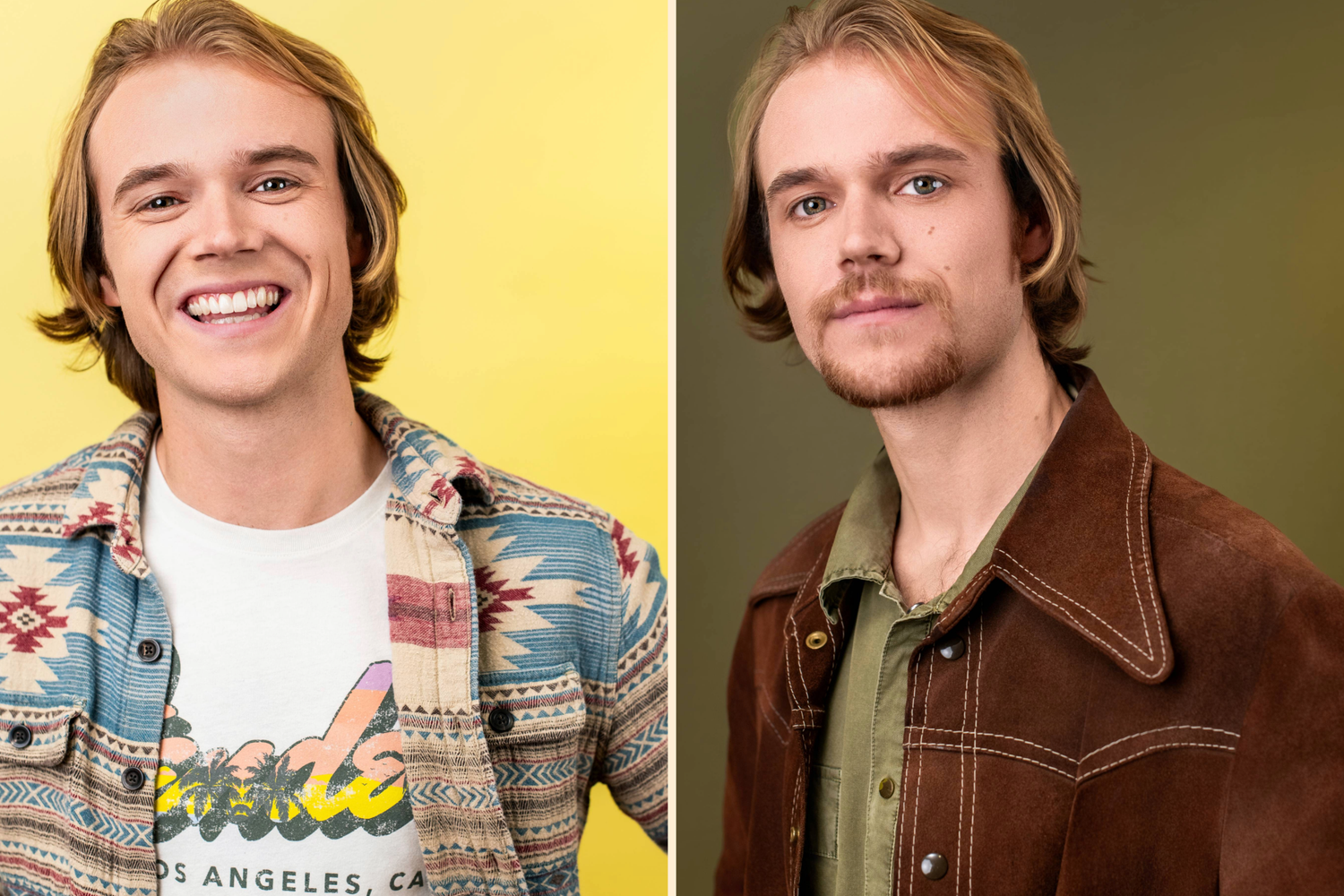
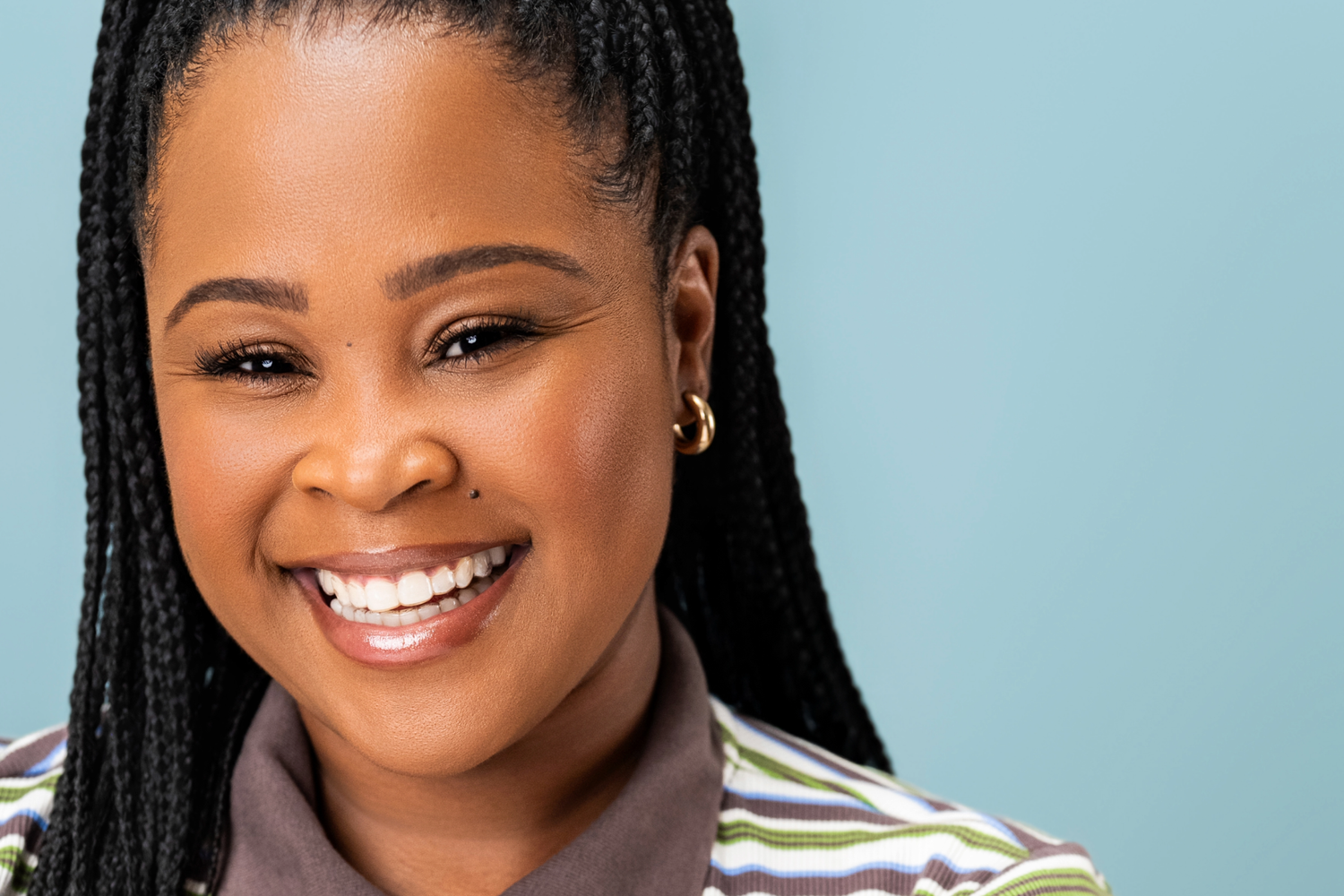
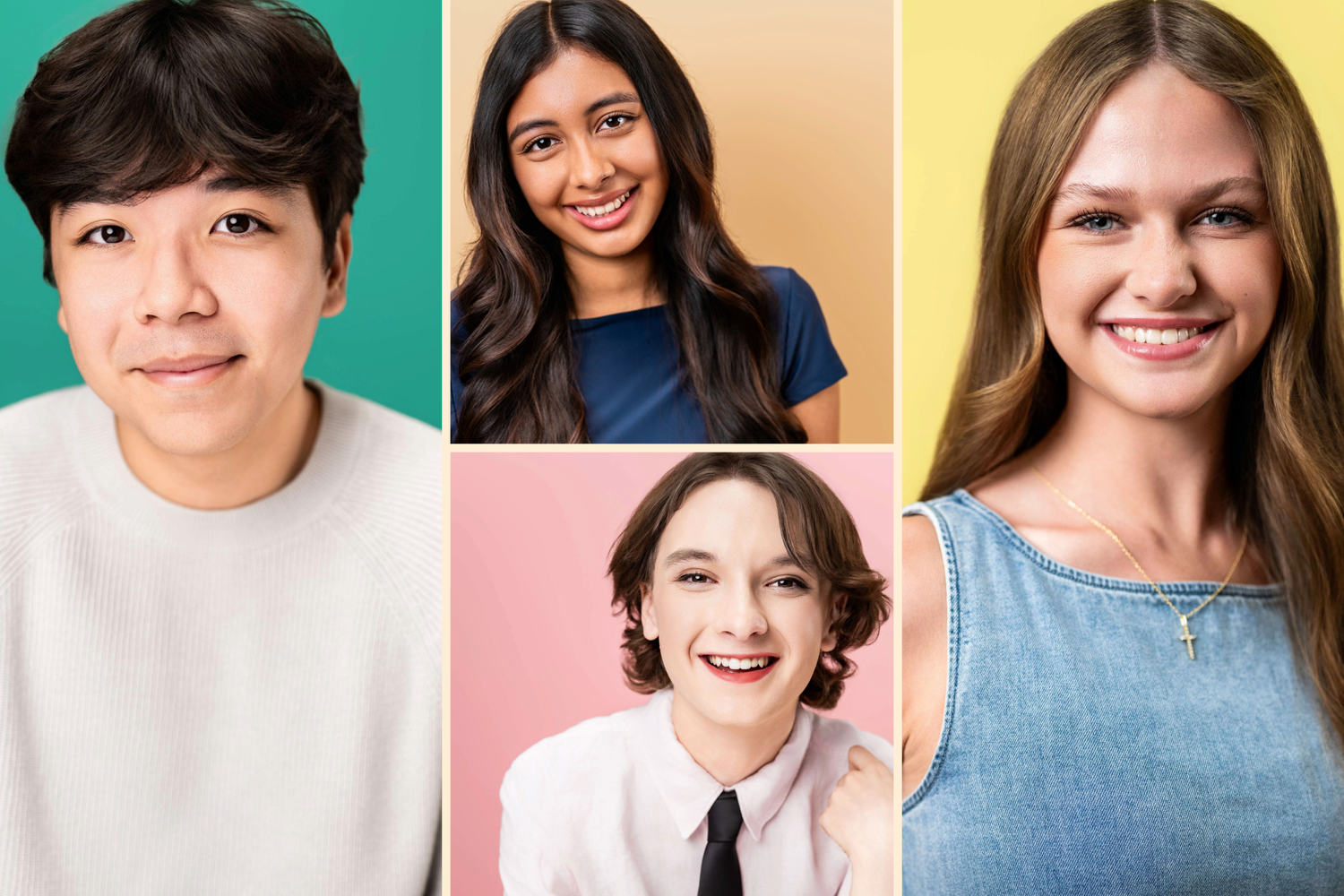
- Just a polished, confident and authentic version of the person who will eventually walk into the audition room.
That distinction matters.
Your College Audition Headshot Should Actually Look Like You
This sounds obvious, but it is probably the most important part of the photograph.
For some students, this may be their first time having professional headshots taken, and it can be tempting to treat the session as an opportunity to get extra glamorous or try out a completely different look.
That's not the goal here, and it can actually work against you.
The person faculty sees in your application should look like the person they see in your prescreen videos and, eventually, the person who walks into the audition room.
So if you consistently wear your hair one way, your headshot probably shouldn't feature a dramatically different hairstyle that you rarely wear—especially one you wouldn't be able to easily recreate.
If you wear very little makeup in everyday life, this is not the moment for dramatic lashes, heavy contouring or a full editorial beauty look.
And if you have freckles, skin texture, facial features or other characteristics that make you uniquely you, they shouldn't disappear under heavy makeup or retouching.
With all of that said; you still want to look polished. Think of it as refining how you normally show up rather than changing it.
Wear your hair the way you typically do, but make sure it feels intentional and camera-ready. That might mean taming a few flyaways, defining your curls or simply spending a little more time styling it than you would on an average morning.
The same goes for makeup. If you normally keep it minimal, a little natural coverage, blush, mascara and lip color may be plenty. The goal is simply to feel finished and confident while still looking like yourself.
And make sure you work with a photographer who understands that same balance when it comes to retouching, because there is a big difference between polishing a photograph and redesigning the person in it.
I talk about this more extensively in my guide to how much retouching a professional headshot should have, but my general philosophy is simple:
Polished, not a new person.
That feels especially important for a high school student preparing to be seen on camera and eventually meet college theatre faculty in person.
Being Present Matters More Than Perfect Posing
A lot of students arrive at a headshot session thinking there must be a specific way they are supposed to stand, smile or position their face to get the perfect shot.
From my years of experience as a professional headshot photographer, I can say firsthand that when someone becomes too focused on posing correctly, it often photographs as awkward or stiff—having the exact opposite effect they were hoping for.
For any headshot, including college audition headshots, it is really about connection.
You want the person viewing your photograph to feel like they understand a little piece of who you are while also wanting to know more about you. That comes from being relaxed, present and comfortable enough to let some of your personality come through.
My goal is never to get the perfect "headshot face" from a client.
My approach is to connect with the person I am photographing. I try to get to know them. We talk, we laugh and, as much as possible, I try to make the camera itself feel unimportant so they can stop thinking about how they are being photographed and start feeling more like themselves.
That is usually when the best expressions happen.
I wrote more about this idea in What Makes a Great Headshot? It's Not Perfection, because a technically beautiful photograph is not necessarily an effective one.
Faculty Should Get a Sense of Your Personality
You are applying to study the performing arts, so personality matters!
That does not mean you need to go big for your headshot with a huge expression, an over-the-top pose or a loud outfit—especially if none of those things feel like you.
It simply means there should be enough life and personality in the photograph that the person looking at it starts to get a sense of who you are.
- Maybe you naturally have big, joyful energy.
- Maybe you are thoughtful and grounded.
- Maybe you have a dry sense of humor.
- Maybe you are a little quieter at first but light up when you perform.
- Maybe you are quirky, expressive or playful.
You do not need to manufacture any of those qualities for the camera. The goal is to recognize what feels genuinely like you and allow some of that to come through in your expression, wardrobe and overall energy.
Your headshot should not feel like you are trying to become the student you think a college wants. It should feel like a confident introduction to the student you already are.
That is something I really appreciate about My College Audition's overall approach. Their coaching philosophy focuses on helping students embrace their individuality and distinctive voice throughout the college audition process rather than trying to create one version of what a successful applicant is supposed to look or sound like.
Your headshot should do the same thing.
What Should You Wear for College Audition Headshots?
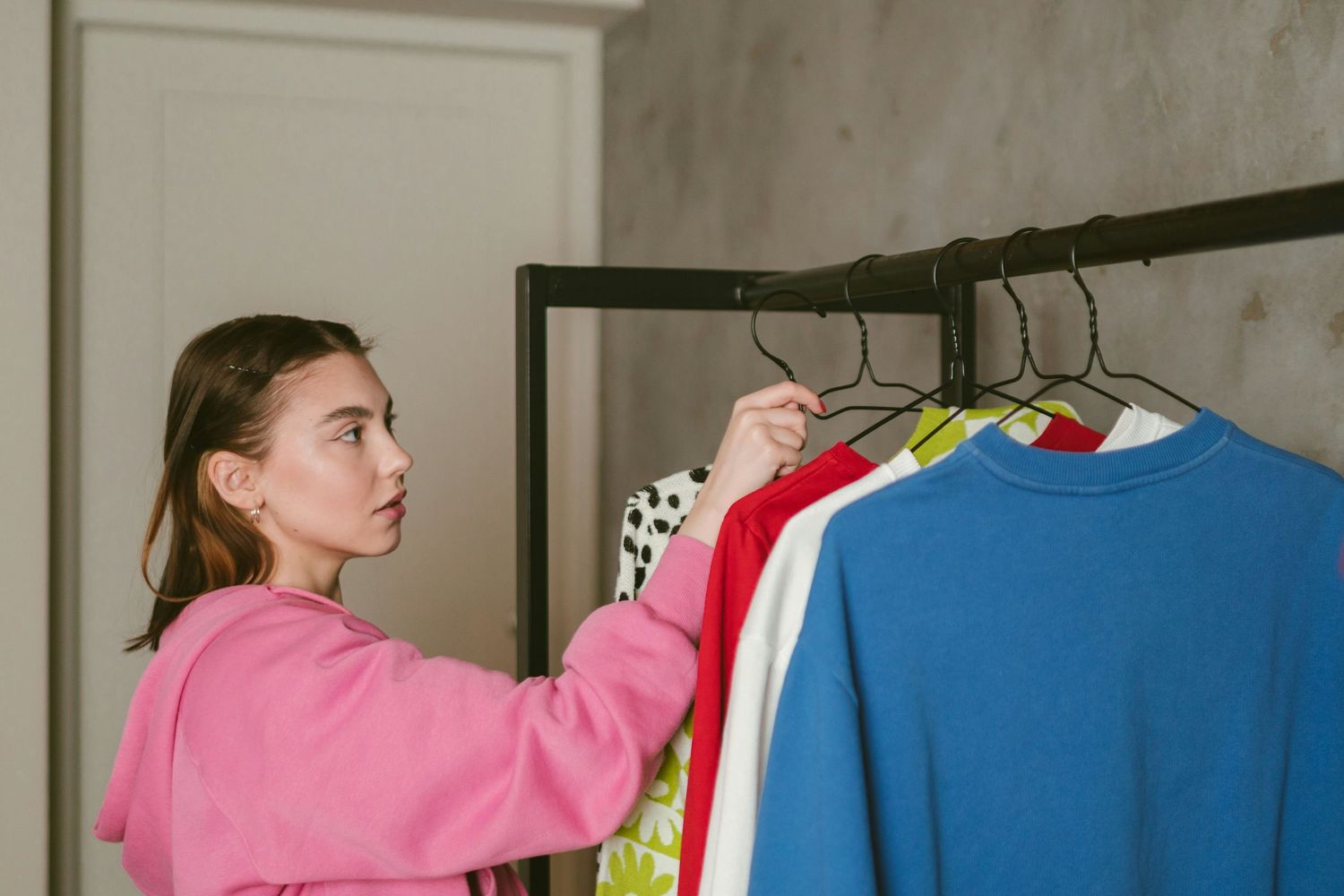
For wardrobe, the goal is to choose clothing that feels like you, photographs well and supports the headshot without distracting from your face.
Based on the guidance My College Audition gives its students, here are a few things to keep in mind:
- Choose colors that flatter you. Select colors that complement your natural features, including your skin tone, eye color and hair. Jewel tones and earth tones tend to photograph especially well.
- Use color, layers, texture and prints. Add visual interest with color, layering pieces, textured fabrics or a classic print.
- Avoid anything overly distracting. Color and patterns can photograph beautifully, but avoid anything that pulls attention away from your face, such as neon colors, large logos or very busy prints.
- Keep accessories simple. Choose pieces that complement your look without becoming the focus of it.
- Make sure everything is polished and camera-ready. Clothing should be clean, wrinkle-free and, most importantly, something you genuinely feel confident wearing.
The best wardrobe choices feel like a polished version of you. Not a costume. Not a glamour look. And not something you would never actually wear.
Just thoughtful, flattering pieces that keep the attention where it belongs: on you.
Hair and Makeup Should Feel Like You Too
The same idea applies to hair and makeup: you want to look like yourself, just with a little more polish and attention to detail than you might give an average day.
Professional lighting and a high-resolution camera can pick up details you may not normally think about, so this is a good time to be a little more intentional.
For hair, that may simply mean using a little extra product to define curls, smooth flyaways or make sure your usual style looks finished and camera-ready.
For makeup, think about subtly evening out the skin, reducing unwanted shine and adding enough definition to your eyes, cheeks and lips that your features still come through clearly in the photograph.
The goal is not glam, but not sloppy either.
You should still look like the person faculty sees in your prescreen videos and the person who will eventually walk into the audition room—just on a day when you put a little extra care into getting ready.
If you decide to hire a professional hair and makeup artist for your headshot session, make sure they understand that balance too.
Hair and makeup artists often showcase their more creative, editorial or dramatic work in their portfolios because those looks can be exciting to photograph. That does not necessarily mean they cannot create a natural headshot look, but it is worth having a conversation before your session.
Share what the photographs are being used for, explain that you want to look polished but still very much like yourself, and look through their work for examples of natural makeup and hair that still feel like the person wearing them.
A good hair and makeup artist should be able to enhance what is already there without making you feel like you are showing up to your college auditions as someone else.
Are College Audition Headshots the Same as Senior Portraits?
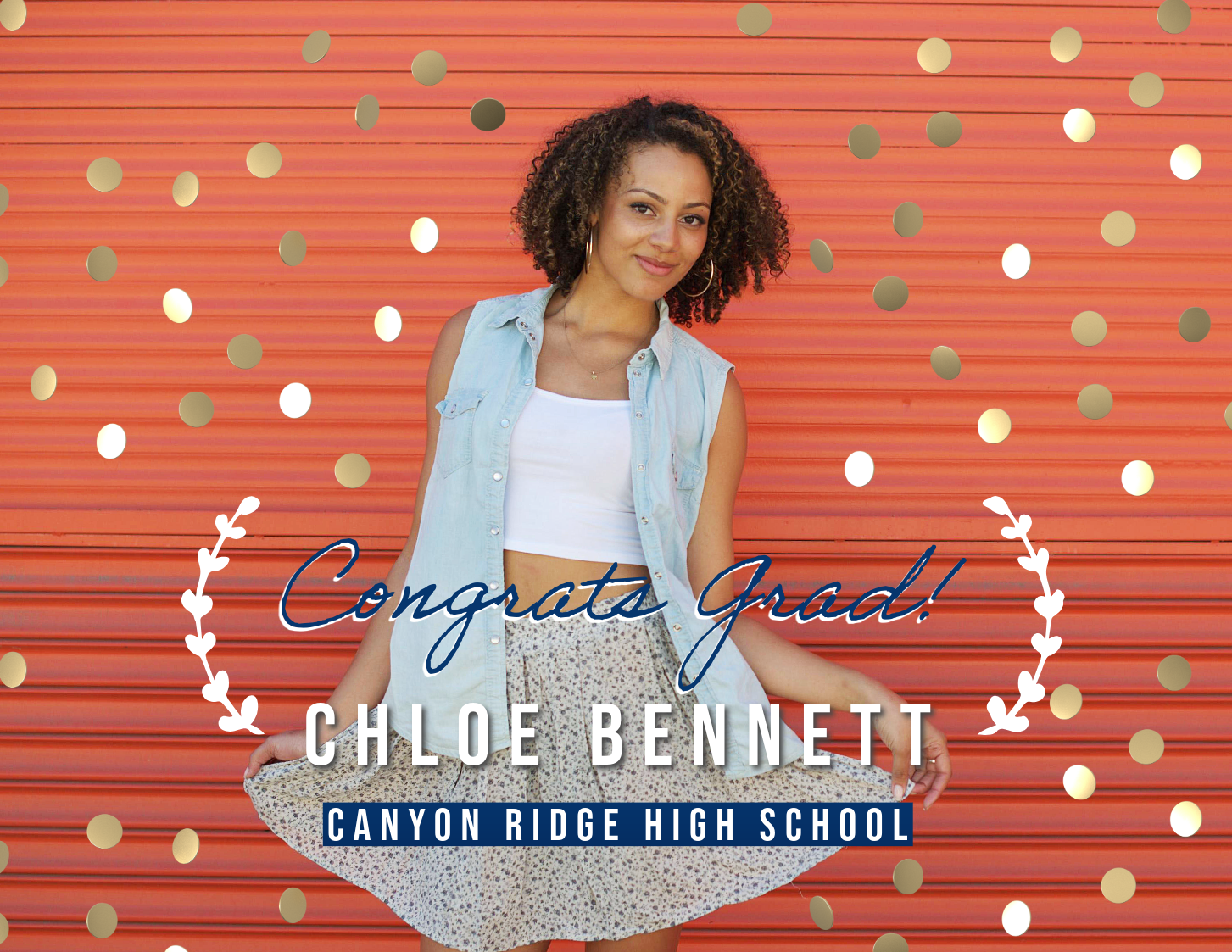
Not really, and here’s why:
Traditional senior portraits and college audition headshots have very different priorities.
A senior portrait is commemorative.
Senior portraits are often photographed with more of a setting—outdoors at sunset, around the student’s school, at a park or somewhere else that feels personal to them. The framing may be wider, the posing can involve more of the body and environment, and there may even be graduation-related elements incorporated into the session. They are designed to create beautiful, personal photographs that celebrate the student’s senior year and are often shared with family and friends.
A college audition headshot has a much more specific professional purpose.
It is being used as part of an application or audition package. The composition is generally simpler, the face and expression become the focus, and the photograph is meant to give faculty a clear introduction to the student.
So even though both photographs may be taken of the same student around the exact same time in their life, they have very different jobs.
With that said, there can certainly be overlap. If you find that one of the portraits from your senior session meets the requirements of the schools you’re applying to and doesn’t feel graduation-specific, then great!
But you also shouldn’t try to make a senior portrait work if it clearly isn’t suited for what the school is asking for.
If you do invest in separate college audition headshots, the advantage is that the entire session can be approached intentionally around exactly how those photographs will be used.
Are College Audition Headshots Different From Professional Actor Headshots?
Yes, they are different.
Like I mentioned with senior portraits, there can occasionally be some overlap, but it’s rare. If you are already a working actor with professional headshots for casting, you may get lucky and have an image that also works for your college applications. But in general, these two types of headshots are created for very different purposes.
Professional actor headshots are designed around casting. They help communicate your age range, casting type and the kinds of roles you are most likely to audition for. Because of that, the wardrobe, styling and expression are often chosen intentionally to support a particular type or character.
A college audition headshot is about you.
As we talked about earlier, the goal is personality and connection. Your wardrobe should feel like something you would actually wear. Your hair and makeup should reflect how you normally show up. Your expression should give faculty a sense of the person they are going to see in your prescreen and eventually meet in the audition room.
The easiest way to think about the difference is:
College audition headshots are about who you are. Actor headshots are about who you can play.
And the same is true in reverse. A college audition headshot usually will not make a strong professional actor headshot because it was never created to communicate a specific casting direction.
So rather than trying to make one photograph do both jobs, I recommend approaching each type of headshot with intention and creating the image for how it will actually be used.
A Note for Parents Going Through the College Audition Process
If this entire process feels like learning a new language, you are not alone.
College theatre admissions can be unusually complicated because students are often navigating the academic college application process and a completely separate artistic audition process at the same time.
That can include:
- Prescreens.
- Slates.
- Artistic resumes.
- Song cuts.
- Monologues.
- Wild card videos.
- Dance submissions.
- Callbacks.
- Unified auditions.
- And requirements that can change from one school to another.
That is one of the reasons I have enjoyed working with My College Audition.
MCA specializes in guiding students and their families through the college theatre audition process, including material selection, coaching, prescreens and the many logistical pieces surrounding auditions.
They are also closely partnered with Acceptd, one of the platforms used throughout performing arts admissions.
If you are a parent looking at this process and wondering how everyone else seems to know what they are doing, working with people who specialize in college auditions can remove a lot of the guesswork.
You do not have to figure out every piece of this on your own.
Final Thoughts
After photographing students preparing for college Musical Theatre and Acting auditions, I’ve learned a lot about the process, and this is probably my biggest takeaway:
Every part of your application and audition should help paint a fuller picture of who you are.
Your headshot introduces your personality. Your song choices reveal something more. Your monologues show another side of you. Your dance submission, artistic resume, essays, prescreen videos and eventual audition each add another piece.
No single part of the process has to tell your entire story.
Instead, think about how every choice can highlight something real about you as both a person and a performer. When all of those pieces work together, they begin to create a much more complete picture of who you are and what you might bring to a college theatre program.
Looking for college audition headshots in Los Angeles?
I photograph actors and performers at my Downtown Los Angeles studio with an approach centered on supportive direction, authentic expressions and headshots that highlight the person in front of the camera.
You can explore Nice Headshots' work or view my current Los Angeles headshot session options and pricing to learn more.